
Best Treatments for Hair Loss in Korea: Options Compared
The best treatment for hair loss in Korea depends on its cause. For androgenetic hair loss, physicians usually combine medical therapy, such as minoxidil or finasteride, with in-clinic scalp treatments like PRP or exosome therapy. Most options need three to six months to show change and ongoing maintenance. A scalp examination comes first, since results vary.
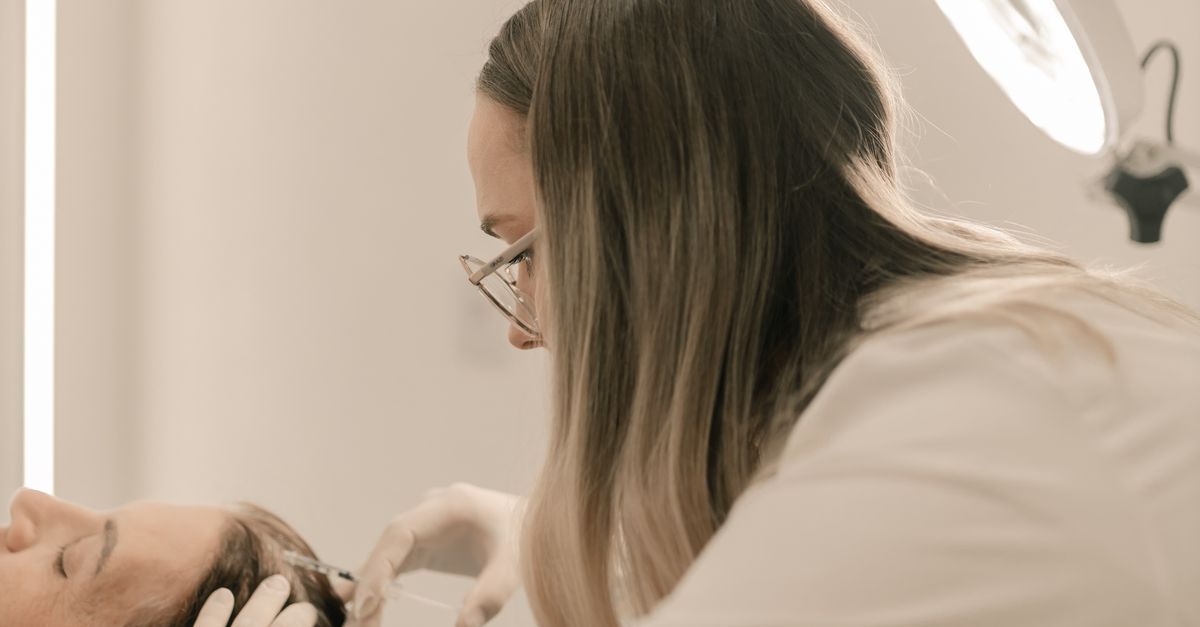
What type of hair loss do you have?
Treatment only works well when it matches the cause. A Seoul dermatologist will usually examine your scalp with a trichoscope, ask about timing and family history, and sometimes order blood tests. The most common patterns are:
- Androgenetic alopecia: gradual thinning at the crown and temples in men, or a widening part in women, driven by genetics and DHT sensitivity
- Telogen effluvium: diffuse shedding two to three months after illness, surgery, childbirth, crash dieting or major stress
- Alopecia areata: round, smooth patches caused by an autoimmune reaction
- Traction alopecia: thinning along the hairline from tight styles
Telogen effluvium often recovers once the trigger resolves, and alopecia areata is treated differently, often with steroid injections or other immune-targeted therapy. The comparison below focuses on androgenetic hair loss, the most common reason visitors seek treatment.
How do the main hair loss treatments compare?
| Option | How it works | Sessions | Downtime | Best suited to |
|---|---|---|---|---|
| Topical minoxidil | Widens scalp blood vessels and extends the growth phase of follicles | Daily at home, ongoing | None; possible scalp irritation | Early to moderate thinning in men and women |
| Finasteride or dutasteride (prescription) | Blocks 5-alpha reductase, lowering scalp DHT that miniaturizes follicles | Daily tablet, ongoing | None; possible side effects discussed with a doctor | Men with androgenetic hair loss; not for women who may become pregnant |
| PRP scalp therapy | Concentrated platelets from your own blood release growth factors around follicles | 3 to 4 sessions about 4 weeks apart, then every 4 to 6 months | Mild tenderness for a day | Early thinning, or adding to medical therapy |
| Exosome scalp therapy | Applies or injects cell-derived vesicles carrying signaling molecules to support follicle activity | Often 4 to 6 sessions 2 to 4 weeks apart | Minimal | People wanting a non-blood option; evidence still developing |
| Low-level laser therapy | Red light around 650 nm is thought to stimulate follicle metabolism | Several times weekly, ongoing | None | Mild thinning, as a supporting option |
| Hair transplant (FUE) | Moves DHT-resistant follicles from the back of the scalp to thinning areas | Usually 1 procedure | About 1 to 2 weeks of visible healing | Stable, advanced thinning with good donor hair |
Why do physicians combine treatments?
Androgenetic hair loss is progressive. Medical therapy slows the process by targeting DHT or supporting the growth cycle. In-clinic treatments like PRP add growth signals that may thicken existing hairs. Using both together often produces better density than either alone. Your physician might start with one or two options and add more after a three to six month review.
Ask us which device options are available, such as specific PRP preparation systems or exosome products, since protocols vary between clinics.
What happens during a PRP or exosome session?
For PRP, a small sample of blood is drawn, spun in a centrifuge to separate the platelet-rich plasma, then injected into the scalp in a grid pattern. Numbing cream, cooling or a vibration device helps with comfort. A session takes about 45 to 60 minutes.
Exosome treatment skips the blood draw. Product is usually delivered by microneedling or a fine injection device. Both are walk-out treatments, and you can wash your hair the following day in most cases.
Who should avoid these treatments?
PRP is not suitable if you have a platelet disorder, active scalp infection, or certain blood cancers, or if you take strong blood thinners. Finasteride and dutasteride must not be taken or handled by people who are or may become pregnant. Oral minoxidil, used off-label in low doses, needs screening for heart and blood pressure conditions. Your physician will review your medicines before recommending anything.
How long until you see results?
Hair grows slowly, so patience is part of treatment. Shedding often slows within two to three months. Visible new growth or thicker strands usually take four to six months, and full assessment comes at about twelve months. Some people notice a temporary increase in shedding in the first weeks of minoxidil, as resting hairs are pushed out.
Stopping medical therapy usually means gradual return to the previous pattern, so plan for maintenance.
Can you start hair loss treatment on a visit to Seoul?
Yes. A consultation and first PRP or exosome session fit into a single afternoon in Myeongdong. If you start a prescription, bring the details home so your own doctor can continue it, and check whether that medicine is permitted in your country. Photos taken under the same lighting at each visit make it easier to track progress between Seoul and home.
Key points
- Common causes: genetics and DHT sensitivity, stress or illness, hormonal changes, autoimmune conditions, tight hairstyles
- Treatments physicians use: topical or oral minoxidil, finasteride or dutasteride, PRP, exosome scalp therapy, low-level laser, hair transplant referral
- Typical sessions: PRP 3 to 4 monthly sessions then maintenance every 4 to 6 months; medicines taken daily
- When results show: slower shedding at 2 to 3 months; visible density at 4 to 6 months; results vary
- Prevention: early diagnosis, treating thinning before it advances, balanced nutrition, gentle hairstyles
Related pages
Frequently asked questions
Does PRP for hair actually work, or is it just hype?
Clinical studies show PRP can increase hair density and thickness in many people with androgenetic hair loss, though results vary and protocols are not standardized. It tends to work best for early thinning and alongside medical therapy. It will not regrow hair on a completely bald area where follicles are no longer active.
Is finasteride safe to take long term?
Finasteride has been used for hair loss for decades and is generally well tolerated. A small percentage of men report sexual side effects or mood changes, which usually resolve after stopping. Discuss your personal and family history with a doctor first. It is not used by people who are or may become pregnant, because it can affect a developing fetus.
Can women use the same hair loss treatments as men?
Many of them, yes. Topical minoxidil, PRP, exosome therapy and low-level laser are commonly used for female pattern hair loss. Finasteride and dutasteride are generally avoided in women of childbearing potential. Some women also benefit from checks for iron, thyroid function or hormonal conditions, since these can contribute to thinning.
How many times do I need to come back to Korea for hair treatment?
That depends on your plan. A PRP course usually means three to four sessions about a month apart, which suits people who live in or visit Seoul often. Visitors on one trip can start treatment here and continue medicines at home, or repeat PRP with a local provider. Your physician can write up the protocol to take with you.
Your appointment awaits
Ask for a plan and a quote
Prices depend on your skin, the area and the number of sessions. Send your goals and travel dates and a physician will suggest options and Beautystone's current prices before you book.
This article is general information, not a diagnosis or a price quote. Typical market prices are indicative and change over time; results, downtime and side effects vary between individuals. Suitability is decided by a licensed physician at consultation. See our medical disclaimer .