
What Are the Best Skin Treatments in Your 70s?
In your 70s, the treatments most commonly recommended are hydrating skin boosters, gentle facials such as Hydrafacial, low-energy laser toning or IPL for sun spots, and mild radiofrequency tightening, because skin is thin, dry and slow to heal. Comfort and safety come first, and a physician tailors or adjusts each treatment around your health.
What changes in your skin in your 70s?
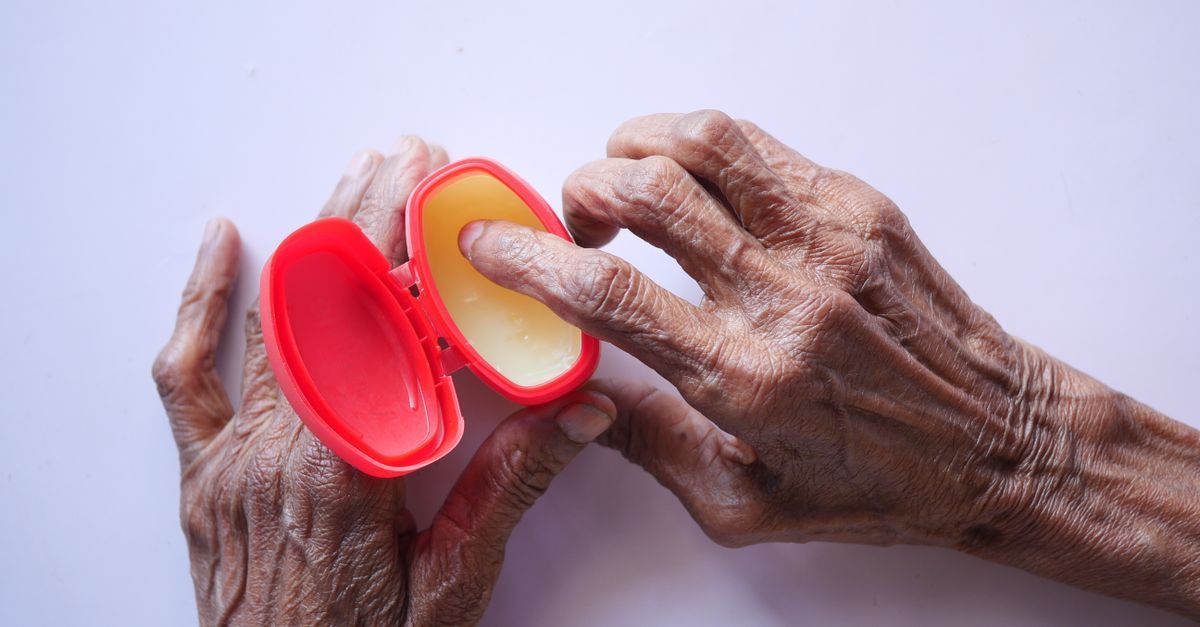
By your 70s, skin is noticeably thinner and more fragile. The junction that anchors the outer layer to the dermis flattens, so the skin tears and bruises more easily. Flat purple bruises on the forearms and hands, known as senile purpura, often appear after minor bumps.
Oil and sweat glands are less active, so dryness and itching are common. Wounds heal more slowly, and lifelong sun exposure shows as lentigines, seborrheic keratoses and a higher risk of skin cancers such as basal cell carcinoma. The backs of the hands and the neck often show these changes most clearly.
Which treatments are most popular in your 70s?
The goal is comfortable, healthy, well-hydrated skin that looks rested. Most choices are gentle and low in downtime.
| Treatment | What it targets | Typical downtime |
|---|---|---|
| Hydrafacial | Dryness and dullness, with gentle cleansing and hydration | None |
| Hyaluronic skin booster | Dehydration and crepey texture | 1–3 days of bumps; bruising may last longer |
| Profhilo | Crepey skin on the face, neck and hands | Small bumps for 1–2 days |
| Laser toning | Uneven tone and mild pigment, at low energy | None |
| IPL photofacial | Benign sun spots and redness | Spots darken and flake for 7–14 days |
| Oligio | Mild tightening, using comfortable monopolar radiofrequency | None to mild redness |
| Mole removal | Benign raised spots, only after examination | 1–2 weeks of healing |
How often should you repeat them?
Fewer, well-spaced sessions are usually wiser than frequent ones. Results vary, and a typical yearly rhythm might be:
- Hydrafacial: every 4–8 weeks, or simply when you visit.
- Profhilo or a hyaluronic booster: 2 sessions a month apart, then once or twice a year.
- Laser toning or IPL: a short series of 2–3 sessions, at least 4 weeks apart.
- Oligio: once a year if your doctor feels it suits you.
What can you combine in one trip to Seoul?
One or two gentle treatments a day is plenty. A Hydrafacial with a hydrating booster makes an easy first visit, with laser toning or IPL later in the week after a skin check. Travelling with a companion, allowing rest after the flight and requesting an interpreter can make the visit more relaxed; see our page on interpreter services. Ask us which device options are available.
What should you avoid or approach carefully?
Your health history shapes every decision, and some treatments may be adjusted, postponed or not recommended because of medical conditions. Bring a full medication list. Anticoagulants, antiplatelets and long-term steroids increase bruising and slow healing; do not stop them without your prescribing doctor. Pacemakers, defibrillators, diabetes and reduced immunity can rule out or change certain treatments.
Ablative lasers, deep peels and thread lifts are usually avoided or heavily adjusted at this age. Any new, growing, bleeding or non-healing spot should be screened for skin cancer before cosmetic removal. Realistic goals help: the aim is healthier skin, not a different face.
Home care for your 70s
- Short, lukewarm showers and a soap-free cleanser.
- A thick emollient with ceramides, glycerin or urea, applied after washing.
- Mineral SPF 30–50 on the face, neck and hands, with a hat outdoors.
- Long sleeves or soft padding where bumps often cause bruising.
- A regular look at your skin, with any changing spot shown to a doctor.
Key points
- Key skin changes: Thin, fragile skin, easy bruising, dryness, slow healing, more sun-related lesions
- Most suggested treatments: Hydrating boosters, Hydrafacial, low-energy toning or IPL, mild radiofrequency
- Typical plan per year: Regular gentle facials, boosters once or twice, a short toning or IPL series
- Downtime to plan: Usually none to 3 days; allow up to 2 weeks for IPL crusts or lesion healing
- Pair with at home: A soap-free cleanser, thick emollient, mineral SPF, protection from bumps
Related pages
Related questions
Are cosmetic skin treatments safe in your 70s?
Many gentle treatments are safe for healthy people in their 70s when a physician adjusts them to the individual. Hydrating boosters, Hydrafacial and low-energy lasers are common choices. Safety depends on your medications, heart devices, diabetes and how your skin heals, so a full medical history is reviewed first. Some options may be modified or not advised.
What can help thin, crepey skin on my arms and hands?
Profhilo and hyaluronic boosters can improve hydration and the crepey look on the backs of the hands, and IPL can fade benign sun spots there. Daily emollients and sunscreen make a real difference too. Forearm bruising from thin skin is harder to treat, so protecting the skin from bumps is an important part of the plan.
Can age spots and growths be removed during a trip to Seoul?
Many benign lentigines and seborrheic keratoses can be treated, but only after a doctor examines them. Spots that are new, changing, bleeding or slow to heal may need a biopsy rather than cosmetic removal. Healing takes longer in your 70s, often one to two weeks, so treat these early in your stay and plan follow-up at home.
How should I plan a comfortable clinic visit at 75?
Arrive with a medication list, any recent test results and details of heart devices or implants. Allow a rest day after your flight, book morning appointments if you tire later in the day, and consider travelling with a companion. Choose low-downtime treatments and leave several days between your last appointment and your flight home.
Still have a question?
Send us your skin goals and travel dates. Our physician will tell you which options suit you before you book anything.
This page is general information, not a diagnosis or legal advice. Results, downtime and side effects vary between individuals. Suitability is decided by a licensed physician at consultation. See our medical disclaimer .