
Mole Removal in Myeongdong, Seoul
Mole removal is a minor procedure in which a doctor removes a benign mole using a CO2 laser, radiofrequency shave or surgical excision. A physician should first examine the mole, often with dermoscopy, to rule out melanoma. Small, flat moles usually heal in 7 to 14 days. Some may recur, and a small mark can remain.
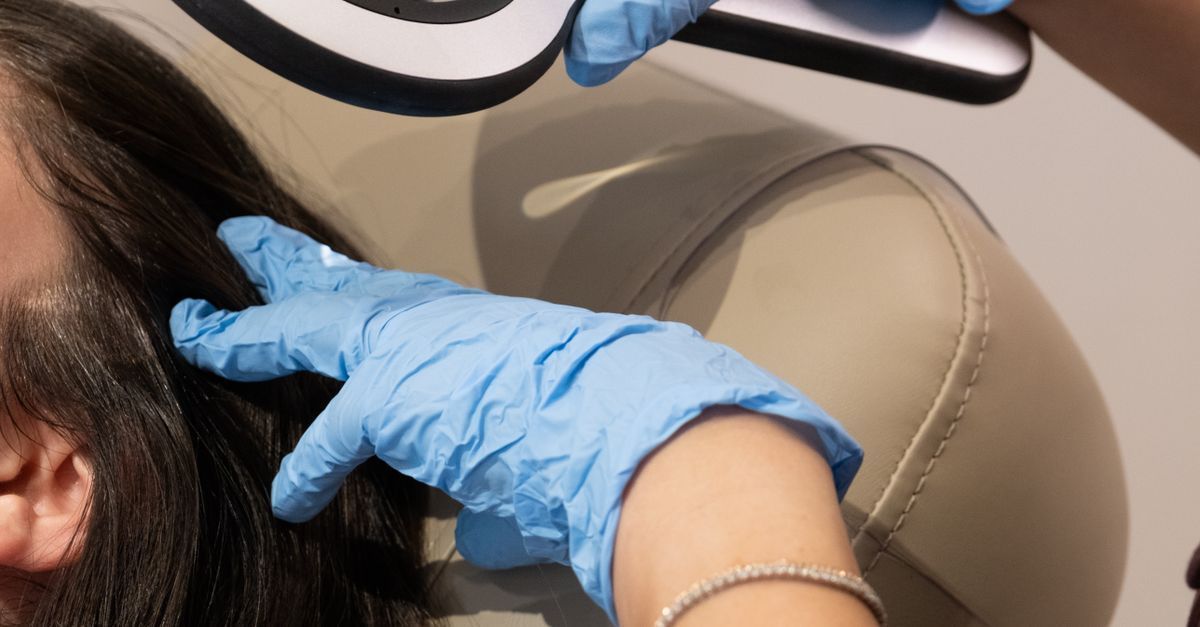
What is mole removal?
A mole, or melanocytic nevus, is a cluster of pigment cells. Most are harmless. People remove them for cosmetic reasons or because they catch on clothing. In Korea, small facial moles are commonly removed with a CO2 laser in a quick office visit.
Why does a doctor need to check your mole first?
Some skin cancers can look like ordinary moles. Before any removal, our board-certified dermatologist [DOCTOR NAME] examines the lesion, often with a dermatoscope. Warning signs follow the ABCDE rule.
- Asymmetry
- Border that is irregular or blurred
- Color that varies within the mole
- Diameter larger than about 6mm
- Evolving size, shape or color
A suspicious mole should be excised and sent for histology rather than lasered, since laser vaporizes the tissue.
How is a mole removed?
- CO2 laser: vaporizes pigment cells layer by layer; suited to small, flat or slightly raised moles
- Radiofrequency shave: shaves a raised mole flush with the skin
- Surgical excision: cuts out the mole with stitches; used for deeper or suspicious lesions
What should you expect on the day?
The area is numbed with cream or a small injection of local anesthetic. Laser removal of a small mole takes only a few minutes. You leave with a hydrocolloid patch over each site. Mild stinging fades within hours.
How long does healing take?
A shallow site usually closes within 7 to 14 days. Pink color can last 1 to 3 months. Deeper moles may leave a small indented or lighter mark. Some moles return because pigment cells remain deep in the skin, so a second session is sometimes needed. Results vary.
Can you remove a mole while visiting Myeongdong?
Yes, many visitors do. Keep the patch on as advised and change it daily. Avoid swimming and saunas until healed. Protect the site from sun for several months to reduce dark marks. If you have several moles, ask the doctor how many are sensible to treat in one trip.
At a glance
- Treatment time: 15 to 30 minutes including numbing
- Anesthesia: Numbing cream or local injection
- Downtime: Patch worn for 7 to 14 days
- Sessions recommended: Usually 1; sometimes a touch-up
- Results visible: Skin closes in 1 to 2 weeks; pinkness fades over months
- Results last: Often lasting; some deep moles can recur
- Price at Beautystone: [PRICE — confirm with clinic]
Related pages
Frequently asked questions
Will laser mole removal leave a scar?
Small, shallow moles often heal with little visible mark. Deeper or larger moles may leave a slight dent, lighter spot or pink area that fades over months. Keeping the wound moist, avoiding picking and using strict sun protection all reduce scarring. People prone to keloids should tell the doctor first.
Can a mole grow back after removal?
Yes, sometimes. If pigment cells sit deep in the dermis, laser removal may not reach them all without risking a scar. The mole can slowly reappear over months. A second gentle session is often enough. Any regrowing mole that changes shape or color should be rechecked.
How do I care for the hydrocolloid patch?
Keep the patch on and replace it once a day or when it turns white and lifts. Clean gently with water before applying a new one. Do not rip off scabs. After the skin closes, switch to sunscreen and a gentle moisturizer as advised by the clinic.
Should I get a mole removed if it is changing?
A mole that is changing in size, shape or color, or that bleeds or itches, needs medical evaluation first. A doctor may recommend excision with lab testing rather than cosmetic laser removal. Do not delay checking a changing mole, whether in Seoul or at home.
Plan your visit to Beautystone Myeongdong
Every treatment starts with a consultation with our physician, who confirms whether it suits your skin and your travel dates. English consultations available.
This page is general medical information, not a diagnosis. Results, downtime and side effects vary between individuals. Suitability is decided by a licensed physician at consultation. See our medical disclaimer .