
What Are the Best Skin Treatments in Your 20s?
In your 20s, the treatments most commonly recommended are acne care, gentle peels, pico toning and hydrating skin boosters, because sebum output is high while collagen is still near its peak. The focus is clear, even, hydrated skin rather than lifting, and a physician tailors the plan to your skin type and goals.
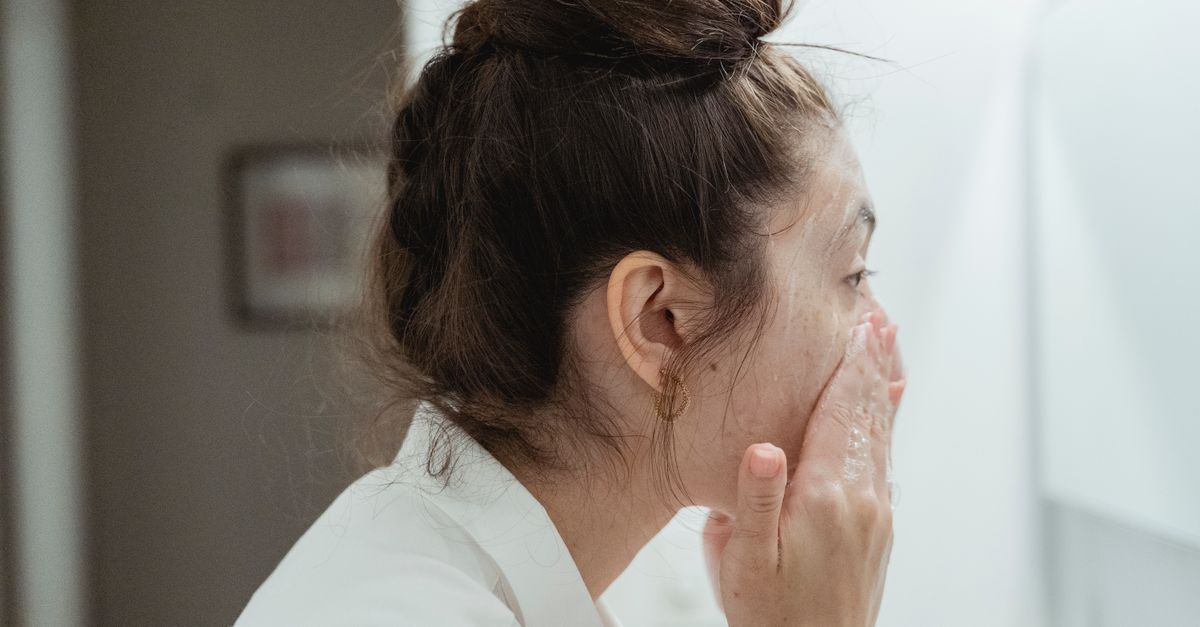
What changes in your skin in your 20s?
Your skin is close to its structural peak in your early 20s. Collagen production is high, cell turnover runs roughly every 28 days, and elasticity is strong. From about age 25, collagen output starts to fall by around 1% a year, although you will rarely see the effect yet.
What you do see is oil. Sebum production stays high, so clogged pores, inflammatory acne and the dark marks it leaves behind, called post-inflammatory hyperpigmentation, are the most common complaints. Unprotected sun exposure in this decade also lays the groundwork for the freckles and sun spots that tend to surface in your 30s.
Which treatments are most popular in your 20s?
Most plans in this decade aim for clear, even, well-hydrated skin. Lifting is rarely the priority.
| Treatment | What it targets | Typical downtime |
|---|---|---|
| Acne extraction care | Active breakouts, blackheads, congested pores | 1–2 days of mild redness |
| Aqua peel | Surface oil, dead skin cells, dullness | None |
| LHA peel | Clogged pores, mild acne, rough texture | 1–3 days of light flaking |
| Pico toning | Acne marks, freckles, uneven tone | A few hours of redness |
| Hyaluronic skin booster | Dehydration, dullness, early fine lines | 1–3 days of small bumps |
| Jaw Botox | A square jaw from an enlarged masseter muscle | None; slimming builds over 2–4 weeks |
| Laser hair removal | Unwanted facial or body hair | A few hours of redness |
How often should you repeat them?
Young skin responds quickly, so maintenance can stay light. Results vary from person to person, but a typical rhythm looks like this:
- Aqua peel or LHA peel: every 2–4 weeks while acne is active, then monthly or less.
- Pico toning for marks: a series of 5–10 sessions, usually 1–2 weeks apart.
- Skin booster: 2–3 sessions about 4 weeks apart, then every 4–6 months if you like the result.
- Jaw Botox: every 4–6 months at first; many people need it less often over time.
- Laser hair removal: 5–8 sessions spaced 4–6 weeks apart.
What can you combine in one trip to Seoul?
A short visit works well in your 20s because most of these treatments have little or no downtime. On a two- or three-day stay you could pair an aqua peel with pico toning and a skin booster, then add jaw Botox during the same visit. Schedule anything that leaves bumps or redness early in your trip, not on the morning you fly. Read our guide on how many days to plan in Seoul, and ask us which device options are available.
What should you avoid or approach carefully?
The biggest risk in your 20s is doing too much. Stacking strong peels, lasers and injectables on healthy young skin can weaken the skin barrier and trigger redness, sensitivity or new pigmentation. Treat active acne first, because toning or resurfacing over inflamed skin rarely gives a clean result.
Tell the doctor if you take or recently stopped isotretinoin, since some lasers and peels are delayed afterward. Fillers and lifting devices are seldom needed at this age, and a physician may advise you to wait.
Home care for your 20s
- Broad-spectrum SPF 30–50 every morning, reapplied when you are outdoors.
- A gentle, low-pH cleanser and a non-comedogenic moisturizer.
- Salicylic acid (BHA) or niacinamide to manage oil and pores.
- A night-time retinoid, introduced slowly, if your doctor agrees.
- Hands off breakouts, which is the simplest way to prevent lasting marks.
Small daily habits now protect the collagen you will rely on in your 30s and 40s.
Key points
- Key skin changes: High sebum, acne and post-acne marks; collagen begins a slow decline after about 25
- Most suggested treatments: Acne care, aqua or LHA peels, pico toning, hydrating skin boosters
- Typical plan per year: Monthly peels during breakouts, one toning series, boosters 2–3 times
- Downtime to plan: Mostly none to 1–3 days of mild redness or small bumps
- Pair with at home: Daily SPF 30–50, a gentle cleanser, BHA or niacinamide, a slow-start retinoid
Related pages
Related questions
Is it too early to get skin treatments at 22?
Not if the goal is skin health. Acne care, gentle peels and hydration treatments are common in the early 20s and support clear skin. Anti-aging procedures such as fillers or lifting devices are usually unnecessary this young. A physician can tell you whether a treatment fits your skin now or is better saved for later.
Should I start preventive Botox in my 20s?
Some people in their late 20s use small doses to soften expression lines that already stay visible at rest. If no lines remain when your face relaxes, there is usually little reason to start. Botox lasts about 3–4 months, so it is not a one-off decision. Discuss your expression pattern and goals with a doctor first.
Can pico toning remove my acne marks?
Pico toning can fade the flat brown marks that acne leaves behind, usually over a series of 5–10 sessions. It does not fill indented acne scars, which respond better to microneedling radiofrequency or subcision. Red marks may need a vascular laser instead. Results vary, and controlling active breakouts first gives toning the best chance to work.
What is a good first treatment for a 25-year-old visiting Seoul?
An aqua peel or a hydrating skin booster is a popular starting point because there is little or no downtime and the skin looks fresher within days. If you have acne marks, pico toning is often added. A consultation helps match the choice to your skin type, your concerns and how many days you have in Seoul.
Still have a question?
Send us your skin goals and travel dates. Our physician will tell you which options suit you before you book anything.
This page is general information, not a diagnosis or legal advice. Results, downtime and side effects vary between individuals. Suitability is decided by a licensed physician at consultation. See our medical disclaimer .