
Does Mole Removal Leave a Scar?
Mole removal can leave a mark, but small, flat moles removed by CO2 laser usually heal with a faint pink or slightly lighter spot that fades over 3 to 6 months. Deeper or larger moles carry a higher risk of a visible scar or small dent. Good aftercare and sun protection greatly reduce the chance of noticeable scarring.
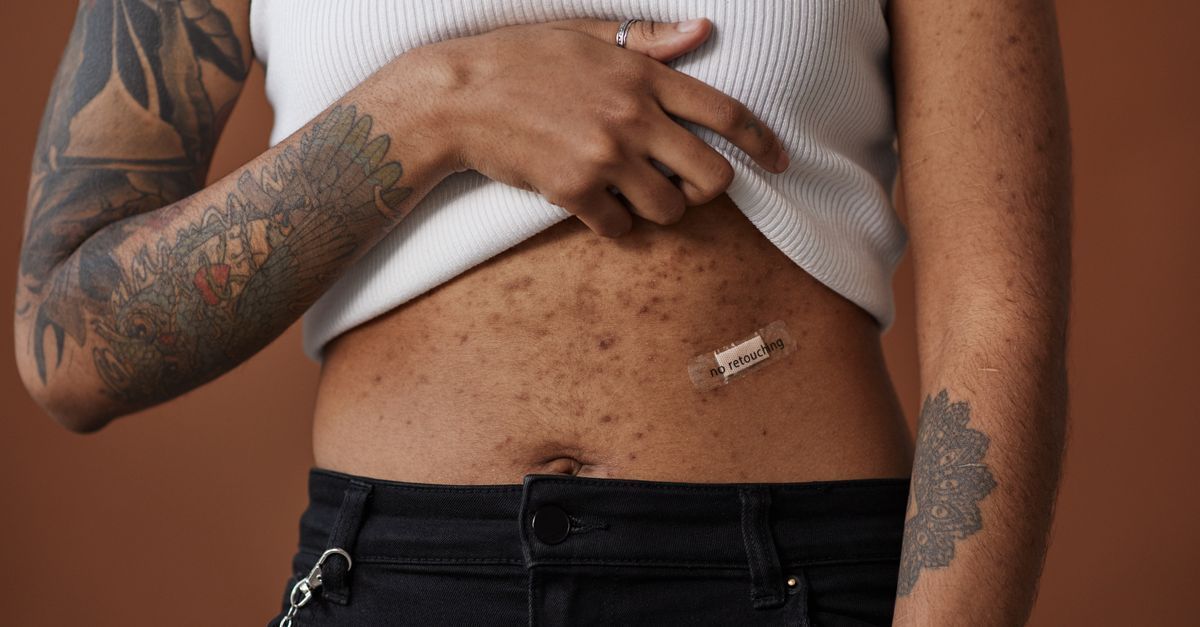
Why can mole removal leave a scar?
Moles are clusters of melanocytes that may sit in the epidermis, dermis, or both. To remove a mole, the cells must be cleared from the skin. When removal reaches the dermis, the skin heals by forming new collagen, which can look different from surrounding skin. The deeper the removal, the more likely a visible mark.
What methods are used?
- CO2 laser (10,600 nm): vaporizes the mole layer by layer; common for small, benign moles in Korea.
- Erbium:YAG laser (2,940 nm): precise ablation with less heat spread.
- Shave excision: removes a raised mole flush with skin.
- Surgical excision: cuts out the mole with stitches; used for deep or suspicious moles and allows pathology testing.
What affects scarring?
- Depth and size of the mole.
- Location; the nose, chin, chest, and shoulders scar more easily.
- Skin type; darker skin is more prone to pigment changes.
- Personal tendency to form keloids or hypertrophic scars.
- Aftercare and sun protection during healing.
Who should not have laser mole removal?
Any mole that is changing, asymmetric, irregular, multicolored, bleeding, or larger than 6 mm should be checked by a dermatologist first. These may need surgical removal and biopsy instead of laser. Laser destroys the tissue, so it cannot be tested.
What happens on the day?
The doctor examines the mole, applies numbing cream or local anesthetic, and removes it in a few minutes. A small wound forms. You will receive a hydrocolloid patch or ointment to cover it.
How should you care for the spot?
- Keep it covered and moist with a patch or ointment for 7 to 10 days.
- Do not pick at the scab.
- Apply SPF 50 for at least 3 months once healed.
- Use silicone gel if your doctor suggests it.
What is the healing timeline?
The wound closes in 7 to 14 days. Pinkness fades over 1 to 3 months. Final appearance is clear at about 6 months. Some moles may recur if cells remain deep, and a touch-up may be needed. Results vary.
How should visitors plan mole removal in Seoul?
Mole removal is quick, but healing takes 1 to 2 weeks with a patch on the spot. Many visitors in Myeongdong book it early in their trip. Carry spare patches and sunscreen for the flight home. Our board-certified dermatologist [DOCTOR NAME] will assess each mole before removal.
Key points
- Short answer: Usually a faint mark that fades; deeper moles scar more.
- Applies to: Benign moles removed by laser, shave, or excision.
- Typical timeframe: Wound heals in 7 to 14 days; mark fades over 3 to 6 months.
- When to see a doctor: A mole that changes, bleeds, or grows, or a wound that oozes.
Related pages
Related questions
Will a mole grow back after laser removal?
Some moles can return if a few deep cells remain, especially larger or deeper moles. This happens in a minority of cases. A follow-up treatment can remove regrowth. If a returning mole looks different from before, have it checked by a dermatologist before further removal.
How long should I keep a patch on after mole removal?
Most doctors recommend keeping the spot covered with a hydrocolloid patch or ointment for about seven to ten days, changing it daily or as advised. A moist environment helps healing and lowers the chance of scarring. Avoid letting the area dry into a thick scab.
Can I remove a mole on my face without a scar?
Small, flat facial moles often heal with a mark that becomes hard to see over months. No method can promise zero mark. Choosing an experienced provider, keeping the wound moist, and protecting it from sun give the best chance of a subtle result.
Is laser or surgical mole removal better?
Laser suits small, flat, benign moles and usually leaves a smaller mark. Surgical excision is better for larger, deeper, or suspicious moles, because the tissue can be tested and fully removed. Surgical scars are linear and often fade well. Your dermatologist will advise based on the mole.
Still have a question?
Send us your skin goals and travel dates. Our physician will tell you which options suit you before you book anything.
This page is general information, not a diagnosis or legal advice. Results, downtime and side effects vary between individuals. Suitability is decided by a licensed physician at consultation. See our medical disclaimer .