
Hormonal Acne in Korea: Treatment Options, Causes and Results Guide
Hormonal acne is breakouts driven by androgen hormones that increase oil production and clog pores, typically along the jaw, chin and neck in adult women. Seoul dermatologists usually combine prescription treatments such as retinoids, spironolactone or isotretinoin with in-clinic peels, extraction and light or laser therapy. Most people see clear improvement within two to three months.
What makes acne hormonal?
All acne involves four factors: excess sebum, clogged follicles, the bacterium Cutibacterium acnes and inflammation. In hormonal acne, androgens such as testosterone and DHEA-S are the main driver. They stimulate the sebaceous glands to produce more oil, and the follicle lining becomes sticky, trapping that oil in microcomedones that later inflame. Blood tests are often normal; the oil glands are simply more sensitive to ordinary hormone levels.
Common signs that breakouts follow a hormonal pattern include:
- Deep, tender papules and cysts along the jawline, chin and upper neck
- Flares in the week before a period
- Acne starting or returning in your twenties, thirties or forties
- Breakouts after stopping hormonal contraception or during perimenopause
- Related signs such as irregular cycles, excess facial hair or thinning scalp hair, which can point to polycystic ovary syndrome (PCOS)
Stress raises cortisol and can amplify flares. High-glycemic diets and dairy show modest links with acne in some studies.
How do dermatologists in Korea treat hormonal acne?
Effective control usually starts with medical treatment, and in-clinic procedures speed up clearing and reduce marks. Common building blocks are:
- Topical retinoids such as adapalene or tretinoin to keep pores clear, often with benzoyl peroxide or azelaic acid.
- Anti-androgen therapy, such as oral spironolactone or certain combined oral contraceptives, which reduces the hormonal signal to the oil glands. These need a prescription and monitoring.
- Isotretinoin for severe, scarring or stubborn acne. Low-dose regimens are common in Korea. It requires strict pregnancy prevention and blood tests.
- Chemical peels with salicylic acid or LHA to loosen comedones and reduce oil.
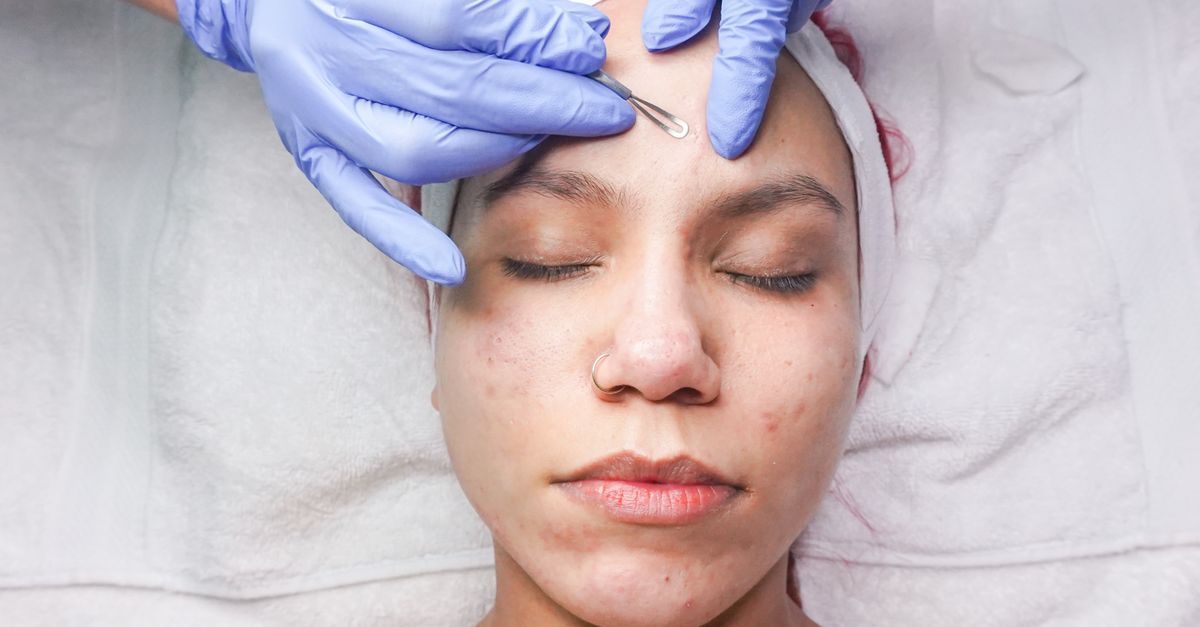
- Professional extraction and calming care to clear congested pores safely.
- Light and laser therapy, including Gold PTT and IPL, to calm inflammation.
- Microneedle radiofrequency such as Potenza or Sylfirm X, which can reduce sebaceous activity and treat early scarring.
Ask us which device options are available during your consultation.
Who needs extra care before starting treatment?
If you are pregnant, trying to conceive or breastfeeding, many acne medicines, including isotretinoin, spironolactone and some retinoids, are unsuitable, and your physician will choose safer options such as azelaic acid and gentle in-clinic care. People with kidney problems or on certain blood pressure medicines need checks before spironolactone. If you suspect PCOS or another hormonal condition, a gynecologist or endocrinologist may be part of your care.
What happens at an acne clinic visit in Seoul?
A typical visit starts with a skin examination and questions about your cycle, medications and past treatments. You may receive a prescription the same day, followed by a procedure such as a peel, extraction or Gold PTT session lasting 30 to 60 minutes. Expect mild redness for a few hours. In the first weeks of a retinoid, some people notice purging, where existing clogged pores surface faster.
How long does it take for hormonal acne to improve?
Acne lesions take about eight weeks to develop from microcomedones, so treatment also needs time. Most people see fewer new breakouts within four to six weeks and clearer skin by eight to twelve weeks. Anti-androgen tablets usually take two to three months to show their full effect. In-clinic sessions are often repeated every two to four weeks for three to six sessions. Hormonal acne can return when treatment stops, so maintenance with a topical retinoid is usually advised.
How can you manage acne treatment while visiting Seoul?
On a short stay, use your visit for diagnosis, a procedure or two and a written plan your doctor at home can continue. Bring a list of current medicines and contraception, and ask for prescriptions and doses in English. Many pharmacies near Myeongdong stock acne patches and gentle cleansers, but check that any new skincare is non-comedogenic. Once breakouts settle, red or brown marks and early scars can be addressed on a later trip with lasers or microneedle RF. Until then, resist the urge to pick or squeeze, change pillowcases often, and clean your phone screen, since small daily habits reduce irritation while medical treatment does the main work.
Key points
- Common causes: Androgen sensitivity, menstrual cycle changes, PCOS, stress and stopping hormonal contraception
- Treatments physicians use: Topical retinoids, prescription spironolactone or isotretinoin, LHA peels, extraction, Gold PTT and Potenza
- Typical sessions: 3–6 in-clinic sessions every 2–4 weeks alongside medication
- When results show: Fewer new spots in 4–6 weeks; clearer skin by 8–12 weeks
- Prevention: Maintenance retinoid, non-comedogenic products and not picking
Related pages
Frequently asked questions
Why do I get acne on my chin and jaw but not my forehead?
The lower face has oil glands that are particularly responsive to androgen hormones, so hormonal fluctuations tend to show up along the chin, jawline and neck. Forehead breakouts are more often linked to hair products, fringe contact or general oiliness. A jaw-focused pattern that flares before periods is a classic clue that hormones play a major role.
Can I get an acne prescription as a tourist in Korea?
Yes. Licensed physicians in Korea can examine you and prescribe acne medication, which you fill at a nearby pharmacy. Some medicines, particularly isotretinoin and spironolactone, need monitoring, so your doctor may give a limited supply and suggest follow-up at home. Bringing your medical history and a list of current medications makes the consultation safer and faster.
Will birth control pills clear hormonal acne?
Certain combined oral contraceptives can reduce acne by lowering free androgen levels, and they help many women. Results take about three months, and they are not suitable for everyone, such as people with a history of blood clots or migraine with aura. The choice should be made with a physician who reviews your health history and the alternatives.
Do facials and extractions help hormonal acne?
Professional extraction can clear blackheads and whiteheads safely and reduce congestion, which makes skin look and feel better. However, extraction alone does not address the hormonal signal that keeps creating new breakouts, so it is most effective alongside medical treatment. Avoid squeezing deep cysts at home, as this raises the risk of scarring and dark marks.
Your appointment awaits
Ask for a plan and a quote
Prices depend on your skin, the area and the number of sessions. Send your goals and travel dates and a physician will suggest options and Beautystone's current prices before you book.
This article is general information, not a diagnosis or a price quote. Typical market prices are indicative and change over time; results, downtime and side effects vary between individuals. Suitability is decided by a licensed physician at consultation. See our medical disclaimer .