
Facial Redness in Korea: Treatment Options for Calmer, Even Skin
Facial redness is persistent flushing or pinkness caused by dilated blood vessels, rosacea, a damaged skin barrier or inflammation. Seoul dermatologists usually combine vascular lasers such as Excel V, IPL or Gold PTT with prescription topicals and barrier repair. Most people see calmer skin after three to five sessions, though rosacea needs ongoing management.
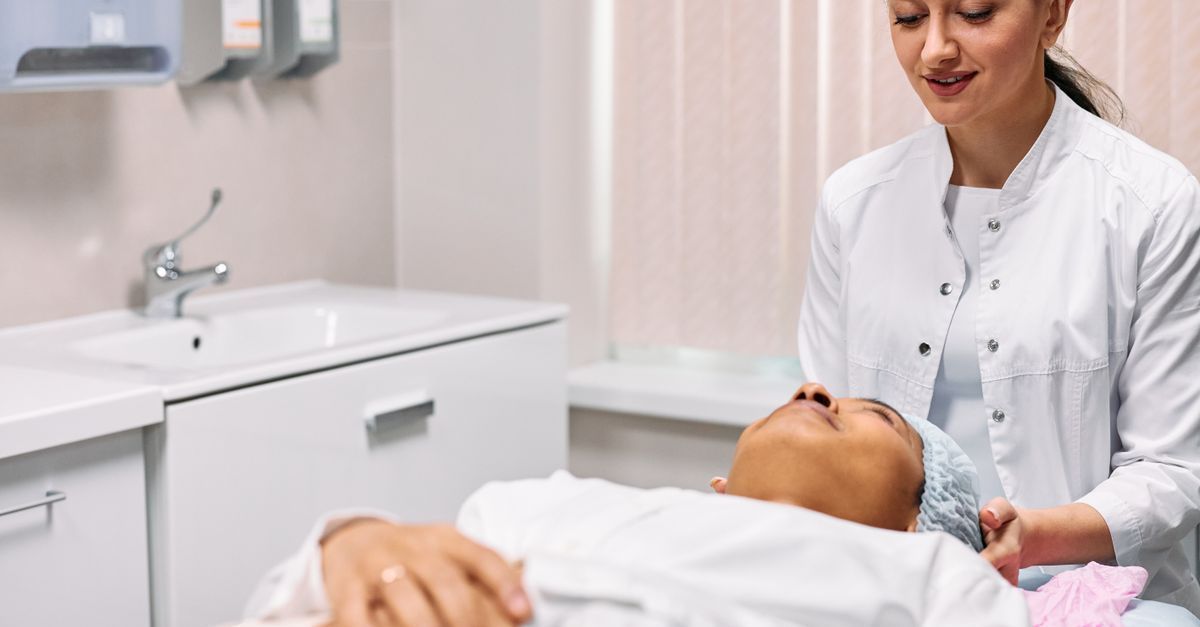
What causes ongoing facial redness?
Redness is a symptom, not a diagnosis. It appears when small blood vessels in the dermis widen, multiply or show through thin or inflamed skin. Identifying the cause shapes the whole treatment plan. Common sources include:
- Rosacea, a chronic inflammatory condition with flushing, persistent central redness, visible vessels and sometimes acne-like bumps
- Telangiectasia, fine broken capillaries around the nose and cheeks from sun damage, genetics or past trauma
- A compromised skin barrier from over-exfoliation, harsh actives or frequent peels
- Seborrheic dermatitis, which adds flaking around the nose, brows and hairline
- Post-acne erythema, flat pink or red marks left after breakouts heal
- Contact dermatitis from fragrance, preservatives or other cosmetic ingredients
Heat, spicy food, alcohol, hot showers, intense exercise and sudden temperature changes make most types worse. Seoul winters, with cold outdoor air and heated interiors, often provoke flares.
How do Korean dermatologists treat redness?
Treatment usually combines calming the skin, controlling inflammation and reducing visible vessels.
- Vascular lasers. Devices like Excel V use a 532 nm KTP wavelength to target oxyhemoglobin in superficial vessels and 1064 nm Nd:YAG for deeper, bluish ones. Pulsed dye lasers at 585 to 595 nm work on similar principles.
- Intense pulsed light. IPL with vascular filters reduces diffuse redness and fine vessels while also improving brown spots.
- Gold PTT. A Korean-developed protocol that applies gold nanoparticles to the skin, which concentrate laser energy to calm inflammation. It is often used for rosacea and redness linked to acne.
- Low-fluence laser toning. Gentle 1064 nm sessions can reduce redness and sensitivity over a series.
- Medical therapy. Metronidazole, azelaic acid, ivermectin cream, brimonidine gel and low-dose doxycycline are standard rosacea treatments prescribed by a physician.
Setups differ between clinics, so ask us which device options are available.
Who should avoid or delay laser for redness?
If your skin is currently burning, peeling or reacting to a new product, physicians usually calm the barrier for a few weeks first. Laser is also postponed for recent sunburn or tanning, active cold sores, pregnancy for some devices, and recent isotretinoin use. Deeper skin tones can be treated, but settings are more conservative to protect against pigment changes. If redness comes with eye irritation, swelling or pustules, a full rosacea evaluation should come before cosmetic treatment.
What happens during a vascular laser session?
You wear protective eye shields while the doctor passes the handpiece over the cheeks, nose and chin. A cooling tip or cold air protects the surface. Each pulse feels like a warm snap. Sessions usually take 15 to 30 minutes. Afterward, skin looks pinker and may swell slightly for one to three days, especially around the eyes. Some treated vessels look darker before they fade. Bruising is uncommon with modern settings but possible.
How many sessions do you need, and how long do results last?
Most people need three to five sessions spaced three to four weeks apart. Fine vessels can disappear after one or two passes, while diffuse rosacea redness improves more gradually. Closed vessels generally stay closed, but new ones can form because rosacea and sun exposure continue. Many patients return for one or two maintenance sessions a year, alongside a gentle routine with a ceramide moisturizer and mineral sunscreen.
How can visitors plan redness treatment in Seoul?
Redness programs fit well into repeat trips or an expat schedule because each session has little downtime. If you only have one visit, a consultation and a first laser or Gold PTT session can be done in a single day, with a prescription routine to continue at home. Avoid saunas, jjimjilbang visits, hot springs, alcohol and very spicy meals for a few days after treatment, since heat dilates vessels. Pack a fragrance-free moisturizer and sunscreen you already tolerate rather than testing new products while your skin is reactive. Keeping a short diary of foods, weather and activities that seem to set off flushing also helps your physician refine the plan at your next visit.
Key points
- Common causes: Rosacea, broken capillaries, barrier damage, post-acne marks and heat or alcohol triggers
- Treatments physicians use: Excel V and pulsed dye lasers, vascular IPL, Gold PTT, laser toning and prescription rosacea topicals
- Typical sessions: 3–5 sessions about 3–4 weeks apart
- When results show: Gradual calming after each session; clearer change by the third session
- Prevention: Mineral sunscreen, gentle cleansing and avoiding known triggers
Related pages
Frequently asked questions
How do I know if my redness is rosacea or just sensitive skin?
Rosacea usually shows persistent redness on the central face, frequent flushing, visible fine vessels and sometimes small bumps, often set off by heat or alcohol. Sensitive skin tends to react to products with stinging or burning that settles once the trigger stops. A dermatologist can examine the pattern, check for eye involvement and confirm which one you have.
Can facial redness return after laser treatment?
Treated vessels usually stay closed, but the tendency behind the redness often continues. Rosacea, sun exposure, heat and alcohol can create new vessels or flushing over time. That is why most physicians recommend a maintenance session once or twice a year, steady sunscreen use and a gentle, fragrance-free routine to keep skin looking calm for longer.
Is Korean skincare helpful for calming red skin?
Many Korean formulas focus on barrier repair with ingredients like ceramides, panthenol, centella asiatica and madecassoside, which can support reactive skin. The key is keeping the routine short and avoiding fragrance, strong acids and essential oils while skin is irritated. Patch testing a new product along the jaw for a few days before full use is a sensible habit.
Can I treat redness and acne at the same time?
Often, yes. Treatments such as Gold PTT, vascular IPL and azelaic acid address both inflammation and redness, and physicians may add acne-focused care like gentle extraction or a peel. Timing matters, because some acne treatments can irritate red skin. Your doctor can sequence sessions so the barrier stays healthy while both concerns improve.
Your appointment awaits
Ask for a plan and a quote
Prices depend on your skin, the area and the number of sessions. Send your goals and travel dates and a physician will suggest options and Beautystone's current prices before you book.
This article is general information, not a diagnosis or a price quote. Typical market prices are indicative and change over time; results, downtime and side effects vary between individuals. Suitability is decided by a licensed physician at consultation. See our medical disclaimer .