
Broken Capillaries in Korea: Treatment Options and What Results to Expect
Broken capillaries are small dilated blood vessels near the skin surface, called telangiectasia. In Korea, physicians usually treat them with vascular lasers such as 532 nm KTP, 595 nm pulsed dye or 1064 nm Nd:YAG, or with IPL. Most people need one to three sessions, with mild redness for a few days. Results vary.
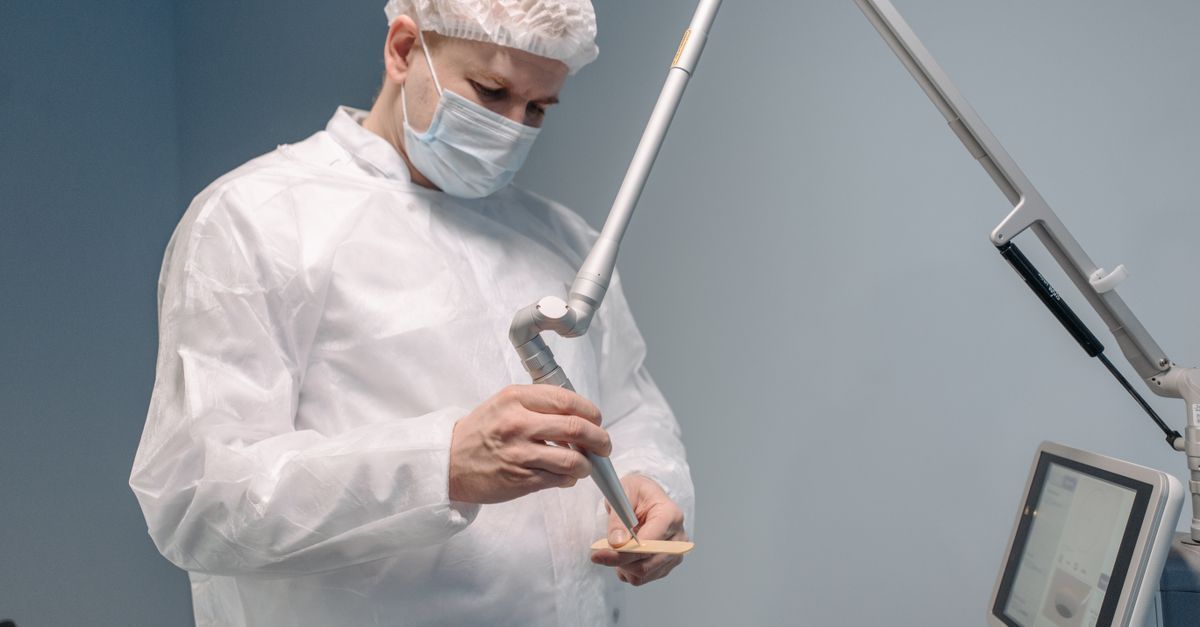
What are broken capillaries, and why do they appear?
Broken capillaries are not actually broken. They are tiny vessels that have widened and stayed widened, so you can see them through the skin as fine red, pink or purple lines. Doctors call them telangiectasia. On the face they cluster around the nose, cheeks and chin, where skin is thin and blood flow is high.
Several factors weaken the vessel walls or keep them dilated:
- Years of UV exposure, which thins the supporting collagen around each vessel
- Rosacea, especially the redness-dominant type
- Genetics and fair skin, which make vessels easier to see
- Repeated flushing from alcohol, spicy food, hot showers or saunas
- Long-term use of strong topical steroids on the face
- Pregnancy, hormonal shifts and trauma, such as aggressive squeezing of pores
Once a vessel has dilated, skincare alone rarely closes it. Creams can calm background redness, but the visible line usually needs energy-based treatment.
How do lasers close broken capillaries?
Vascular lasers work through selective photothermolysis. The light is tuned to a wavelength that oxyhemoglobin, the red pigment in blood, absorbs strongly. The blood heats up, the vessel wall coagulates, and your body clears the vessel over the following weeks. The surrounding skin absorbs far less energy, which keeps it largely intact.
Physicians in Seoul choose between a few main tools:
- 532 nm KTP laser: well suited to fine, bright red vessels close to the surface. Excel V combines 532 nm with 1064 nm in one platform.
- 595 nm pulsed dye laser: a long-standing standard for facial telangiectasia and rosacea redness. Higher settings can leave temporary purple bruising.
- 1064 nm long-pulsed Nd:YAG: penetrates deeper and suits larger, bluish vessels, such as those on the sides of the nose.
- IPL (intense pulsed light): a broad-spectrum filtered light that treats diffuse redness and scattered fine vessels, often alongside sun spots.
The right choice depends on vessel size, depth and color, your skin type, and whether you also have pigmentation. Ask us which device options are available and which your physician recommends for your vessels.
Who is a good candidate, and who should wait?
Lasers work well for most people with visible facial vessels, especially lighter to medium skin tones. Darker skin can still be treated, but physicians use more conservative settings or the 1064 nm wavelength to lower the risk of pigment changes.
You may need to postpone treatment if you have a fresh tan or sunburn, an active skin infection or cold sore, or you are pregnant. Tell your physician about photosensitizing medicines, recent isotretinoin use and any history of keloids.
What happens during a visit?
Your physician examines the vessels under bright light, sometimes with a dermatoscope, and confirms the diagnosis. Small red lines can occasionally be another condition, such as a cherry angioma or spider angioma, which may need a different approach.
After cleansing, you wear protective eyewear. The handpiece has a cooling tip or cold air flow to protect the skin surface. Most people describe each pulse as a quick snap, like a rubber band. A full-face session usually takes 10 to 20 minutes, and many people skip numbing cream.
Afterward, the treated vessels may look darker or temporarily more obvious. Mild redness and slight swelling usually settle within one to three days. If a pulsed dye laser causes purpura, the bruise-like marks typically fade in about a week to ten days.
How many sessions do broken capillaries need?
A few isolated vessels sometimes clear in a single session. Wider networks and rosacea-related redness typically need two to four sessions, spaced about four weeks apart. You see the full effect of each session after two to six weeks, as your body reabsorbs the treated vessels.
Treated vessels generally stay closed, but new ones can form over time if the underlying triggers continue. Many people return once a year for a short maintenance session.
Can you treat broken capillaries on a short trip to Seoul?
Yes, this is one of the more travel-friendly concerns. A single laser session fits easily into a day in Myeongdong, and you can usually wear makeup the next day if the skin is intact. If you plan a series, consider timing visits a month apart, or start treatment here and continue with a dermatologist at home.
Plan for strict sun protection in the weeks after treatment, since UV can trigger pigment changes on freshly treated skin. If you are flying out within a day or two, ask your physician whether lower settings make sense to reduce visible bruising.
To keep results, use a broad-spectrum SPF 50 daily, keep showers lukewarm, and limit known flushing triggers. A gentle routine with niacinamide or azelaic acid can help calm background redness between sessions.
Key points
- Common causes: UV damage, rosacea, genetics and fair skin, repeated flushing, long-term topical steroid use
- Treatments physicians use: 532 nm KTP and 1064 nm Nd:YAG lasers (for example Excel V), 595 nm pulsed dye laser, IPL
- Typical sessions: 1 for a few isolated vessels; 2 to 4 sessions about 4 weeks apart for networks or rosacea redness
- When results show: 2 to 6 weeks after each session; results vary by vessel size and depth
- Prevention: daily SPF 50, lukewarm water, limiting alcohol and heat triggers, avoiding strong steroid creams on the face
Related pages
Frequently asked questions
Do broken capillaries go away on their own?
Usually not. Once a small facial vessel has dilated, it tends to stay visible. Redness from a temporary flare can settle, but a fine red line that has been there for months generally needs a vascular laser or IPL to close it. Protecting your skin from sun and heat can stop new vessels from forming.
Can I use a vitamin C serum or cream to shrink broken capillaries?
Topical products can support skin around the vessels and reduce overall redness, but they do not close an established vessel. Vitamin C, niacinamide and azelaic acid are reasonable parts of a calming routine. If a product stings or makes you flush, stop using it, since irritation can make redness worse.
Is it safe to fly the day after capillary laser treatment?
For most people, yes. Mild redness and swelling are common, and cabin air can feel drying, so bring a bland moisturizer. If your treatment caused purple bruising, it will not be harmed by flying, but it may take a week or so to fade. Confirm your travel dates with your physician beforehand.
Why do my broken capillaries look worse right after treatment?
Treated vessels often darken or look more obvious for a few days because the blood inside has coagulated. This is an expected step before your body clears them. The surrounding area may also be slightly pink and puffy. Most of this settles within a few days, and the vessels fade over the next several weeks.
Your appointment awaits
Ask for a plan and a quote
Prices depend on your skin, the area and the number of sessions. Send your goals and travel dates and a physician will suggest options and Beautystone's current prices before you book.
This article is general information, not a diagnosis or a price quote. Typical market prices are indicative and change over time; results, downtime and side effects vary between individuals. Suitability is decided by a licensed physician at consultation. See our medical disclaimer .