
PRP Facial in Myeongdong, Seoul
A PRP facial is a skin rejuvenation treatment that uses platelet-rich plasma from your own blood, applied with microneedling or injected in small amounts. Platelet growth factors such as PDGF, TGF-beta and EGF may stimulate collagen, improve texture and support healing. It is used for fine lines, dull skin, under-eye crepiness and acne scars.
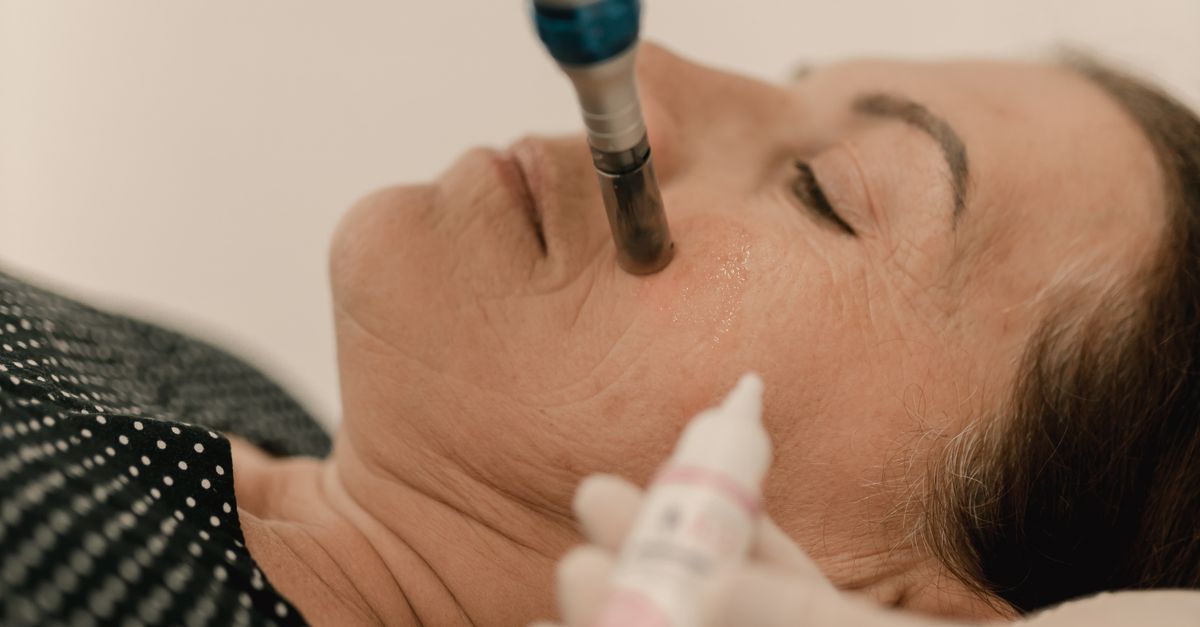
What is a PRP facial?
A PRP facial, sometimes called a vampire facial, combines your own concentrated plasma with a delivery method. It is popular with people who prefer an autologous treatment, meaning nothing synthetic is added.
How does PRP rejuvenate skin?
After a blood draw, a centrifuge separates the plasma and concentrates platelets several times above normal blood levels. When placed in the skin, platelets release growth factors.
- PDGF: supports cell growth and repair
- TGF-beta: encourages collagen production
- EGF and VEGF: support new cells and blood supply
PRP can be delivered in three main ways: with microneedling, through RF microneedling channels, or as small injections using a fine needle. Evidence supports modest improvement in texture and scars, particularly when combined with microneedling.
Who is a good fit for a PRP facial?
It suits early fine lines, dull or tired-looking skin, mild acne scars, enlarged pores and thin under-eye skin. It appeals to people wanting a natural approach. Avoid it if you have a platelet or bleeding disorder, active skin infection, chronic liver disease or cancer under treatment. Stop anti-inflammatory painkillers a few days before, if your doctor agrees, as they may blunt platelet activity.
What happens during a PRP facial?
Blood is drawn from your arm, and it is spun for about 10 minutes. Meanwhile, numbing cream is applied. The doctor then microneedles or injects the PRP across the face. The session takes about 60 to 90 minutes in total. Afterward, skin looks red like a mild sunburn.
When do PRP facial results appear?
A healthy glow may appear within 1 to 2 weeks. Texture and fine-line improvements build over 2 to 3 months. Most people need 3 sessions about 4 to 6 weeks apart. Results vary and are generally subtle compared with fillers or lasers.
Can you have a PRP facial during a Seoul trip?
Yes. Redness usually settles in 1 to 2 days, and pinpoint marks fade within a few days. Plan it for the first part of your stay in Myeongdong. Avoid makeup for 24 hours, skip saunas and alcohol, and keep the skin protected from sun.
At a glance
- Treatment time: 60 to 90 minutes including blood draw
- Anesthesia: Topical numbing cream
- Downtime: 1 to 2 days of redness; minor bruising possible
- Sessions recommended: 3, spaced 4 to 6 weeks apart
- Results visible: Glow in 1 to 2 weeks; texture over 2 to 3 months
- Results last: Often 6 to 12 months with maintenance
- Price at Beautystone: [PRICE — confirm with clinic]
Related pages
Frequently asked questions
What is the difference between PRP and PDRN?
PRP is made from your own blood and delivers platelet growth factors. PDRN is a purified DNA fragment, often derived from salmon, that supports tissue repair through adenosine receptors. Both aim to improve skin quality. PDRN products like Rejuran are standardized, while PRP quality depends on your blood and the preparation method.
Is a PRP facial good for under-eye circles?
PRP may help thin, crepey under-eye skin and mild darkness caused by thin skin or poor texture. It does not fill hollows the way filler does. Dark circles from pigment or genetics may respond better to other treatments. The doctor will assess the main cause before suggesting a plan.
Is a PRP facial safe?
Because PRP comes from your own blood, allergic reactions are very rare. Common side effects include redness, swelling, bruising and mild tenderness. Infection is uncommon when sterile technique is used. Always have the treatment done by a medical professional in a clinical setting.
Can PRP be combined with other treatments?
Yes. PRP is often combined with RF microneedling, fractional laser or subcision to enhance healing and collagen. It can also be added after scar treatments to support recovery. The doctor will plan the sequence so treatments work together without overloading your skin.
Plan your visit to Beautystone Myeongdong
Every treatment starts with a consultation with our physician, who confirms whether it suits your skin and your travel dates. English consultations available.
This page is general medical information, not a diagnosis. Results, downtime and side effects vary between individuals. Suitability is decided by a licensed physician at consultation. See our medical disclaimer .