
Keloid Injection in Myeongdong, Seoul
Keloid injection is a treatment in which a doctor injects a corticosteroid, usually triamcinolone acetonide, directly into a keloid or hypertrophic scar. It reduces inflammation and collagen overgrowth, flattening the scar and easing itching and pain. Injections are typically repeated every 4 to 6 weeks, and keloids can recur, so combined treatment is common.
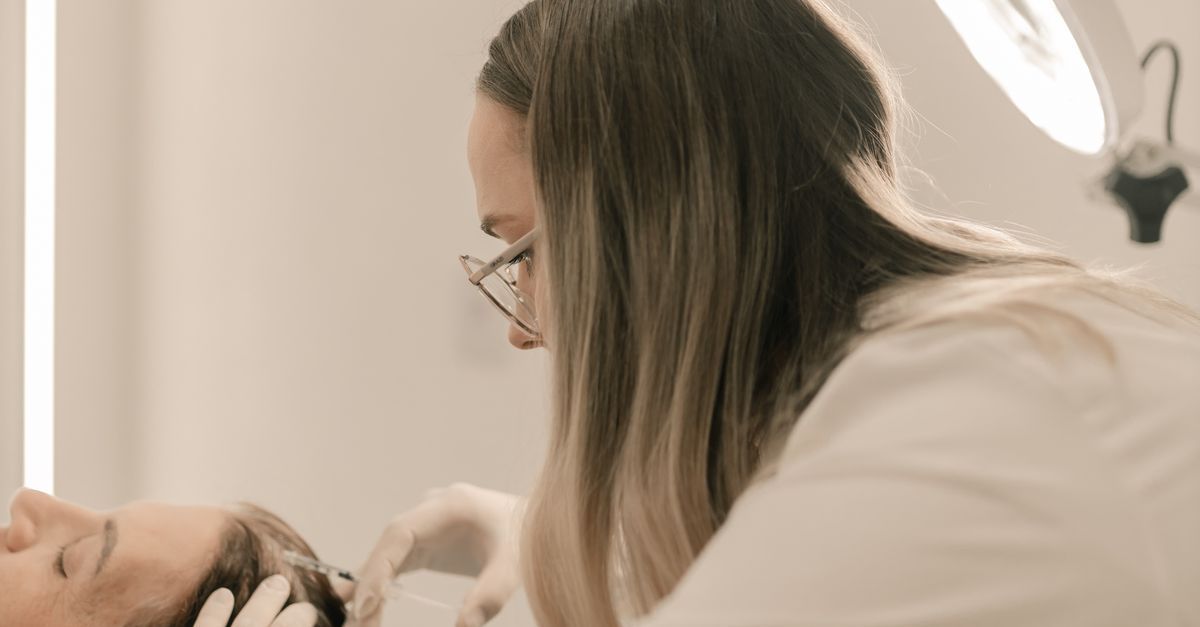
What is a keloid?
A keloid is a raised scar that grows beyond the edges of the original wound. It forms when the skin produces too much collagen during healing. Keloids are more common on the earlobes, chest, shoulders and jawline, and in people with darker skin or a family history.
Hypertrophic scars are similar but stay within the wound borders and often improve over time.
How does a keloid injection work?
Triamcinolone acetonide, a corticosteroid, is injected straight into the scar tissue. It suppresses fibroblast activity, reduces inflammation and breaks down excess collagen.
- Flattens and softens raised scars
- Relieves itching and tenderness
- Can be combined with 5-fluorouracil (5-FU) for stubborn keloids
- Often paired with silicone sheets, pressure therapy or vascular laser for redness
Who should consider keloid injections?
They suit keloids on the earlobe after piercing, chest and shoulder keloids from acne, raised surgical scars and hypertrophic scars that itch or hurt. Very large keloids may need surgical removal followed by injections or radiation to reduce recurrence. Avoid steroid injection with active infection in the area. Tell the doctor if you are pregnant or have diabetes.
What should you expect during treatment?
The area is cleaned, and numbing cream may be applied. The doctor uses a fine needle to inject small amounts throughout the scar. Keloid tissue is firm, so you will feel pressure and stinging. The procedure takes a few minutes per scar.
When will you see results?
Itching often improves within days. The scar usually starts flattening after 2 to 4 weeks. Most keloids need 3 to 6 sessions spaced 4 to 6 weeks apart. Possible side effects include thinning of the skin, lighter patches and small visible vessels. Keloids can return, so results vary.
Can you have keloid injections while visiting Seoul?
Yes. There is no real downtime, and a session fits easily into a day in Myeongdong. Because treatment needs repeating, ask the doctor for a written summary of the dose and concentration used, so a doctor at home can continue safely.
At a glance
- Treatment time: 10 to 20 minutes
- Anesthesia: Optional numbing cream
- Downtime: None; mild soreness for a day
- Sessions recommended: 3 to 6, spaced 4 to 6 weeks apart
- Results visible: Less itching in days; flattening in 2 to 4 weeks
- Results last: Can be lasting, though keloids may recur
- Price at Beautystone: [PRICE — confirm with clinic]
Related pages
Frequently asked questions
Can a keloid be removed permanently?
Keloids can be treated effectively, but they have a high tendency to return. Combining approaches, such as steroid injections, surgical excision, silicone and pressure therapy, lowers that risk. Long-term follow-up is important. Even after a good result, some people need occasional maintenance injections.
Is an earlobe keloid treatable after a piercing?
Yes. Earlobe keloids are among the most common and often respond well to steroid injections. Larger ones may be surgically removed, followed by injections or pressure earrings to reduce recurrence. Avoid re-piercing the same area unless the doctor says it is safe.
What are the side effects of steroid injections for scars?
The most common are skin thinning, lighter skin color around the scar and small visible vessels called telangiectasia. These risks increase with higher doses. The doctor adjusts concentration and spacing to reduce side effects. Tell the clinic if the skin becomes very thin or dented.
Can I prevent keloids after surgery or piercing?
If you are prone to keloids, tell your doctor before any surgery or piercing. Early silicone gel or sheets, pressure dressings and close monitoring help. A low-dose steroid injection at the first sign of thickening can stop a keloid from growing larger.
Plan your visit to Beautystone Myeongdong
Every treatment starts with a consultation with our physician, who confirms whether it suits your skin and your travel dates. English consultations available.
This page is general medical information, not a diagnosis. Results, downtime and side effects vary between individuals. Suitability is decided by a licensed physician at consultation. See our medical disclaimer .