
Uneven Skin Tone Treatment in Myeongdong, Seoul
Uneven skin tone is a mix of patchy color on the face, such as scattered brown spots, redness, sallow areas and dark marks, rather than a single condition. A dermatologist identifies each component and combines matched treatments, typically pico or laser toning for pigment, IPL or Gold PTT for redness, and peels or skin boosters for clarity.
What causes uneven skin tone?
Uneven tone usually has several causes at once. Sun exposure creates freckles and lentigines. Hormones can trigger melasma. Acne leaves brown and red marks. Dilated vessels add redness on the cheeks and nose. Dehydration and slow cell turnover add a grayish, dull cast. Smoking, poor sleep and pollution add to the effect.
How does a dermatologist break it down?
Our board-certified dermatologist [DOCTOR NAME] will look at your skin in natural light and may use a skin analysis camera to separate brown and red components. The doctor will ask about sun habits, hormonal changes and previous treatments. That map becomes a plan where each problem gets its own matched tool rather than one treatment for everything.
Which treatments even out skin tone?
- Pico toning or laser toning: gradual clearing of diffuse brown pigment and melasma-prone areas
- IPL photofacial: treats scattered sun spots and redness in the same session
- Gold PTT or Excel V: targets redness and visible vessels
- LHA or chemical peel: speeds turnover for brighter, more uniform skin
- Hyaluronic skin booster or Rejuran Healer: improves hydration and light reflection
- Glutathione drip: sometimes discussed for overall radiance, although evidence for skin lightening is limited
Ask us which device options are available during your stay.
Who should avoid certain combinations?
People with melasma should avoid aggressive IPL or strong peels unless the doctor advises otherwise, since these can provoke rebound darkening. Sensitive or recently tanned skin may need barrier repair first.
What should I expect on the day?
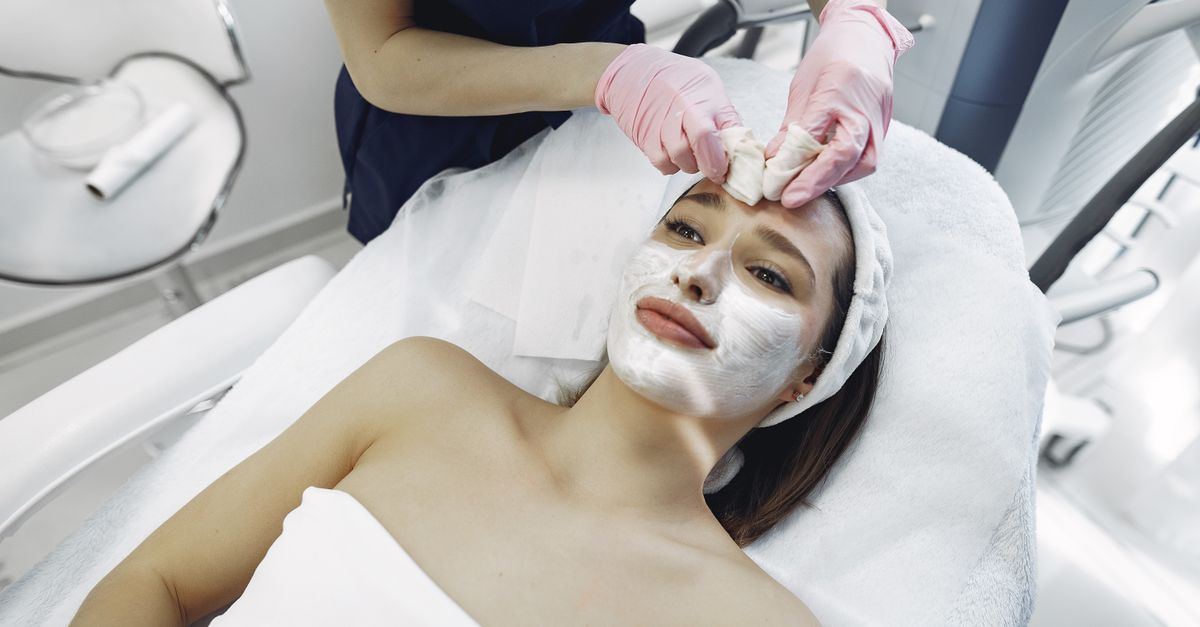
A combined visit might include cleansing, a light peel, a toning laser pass and a soothing mask in about 60 to 90 minutes. Most people leave with mild pinkness that fades within hours. If IPL is used, small spots may darken and flake over a week.
How long until my tone looks more even?
Many people notice a brighter look within a week of a peel or booster. Pigment and redness usually improve over three to six sessions spaced two to four weeks apart. Results vary with skin type and sun habits.
Can I start an even-tone plan during a visit to Seoul?
Yes. A short trip to Myeongdong can include one combined session with minimal downtime. The doctor can outline a maintenance plan to continue with a dermatologist at home.
What daily care keeps tone even?
Wear SPF 50 every day, add a vitamin C serum in the morning and use a gentle retinoid or niacinamide at night.
At a glance
- Common causes: Sun damage, melasma, acne marks, redness and dehydration
- Best-matched treatments: Pico toning, IPL photofacial, Gold PTT, LHA peel, hyaluronic skin booster
- Typical sessions: 3 to 6 sessions, 2 to 4 weeks apart
- Visible improvement: Brighter look in 1 week; more even tone over 1 to 3 months
- Prevention tip: Morning vitamin C serum under daily SPF 50
Related pages
Frequently asked questions
Can one treatment fix uneven skin tone?
Rarely. Uneven tone is usually a combination of brown pigment, redness, dullness and texture. A single treatment tends to help only one component. Most dermatologists build a short plan that combines two or three matched treatments over several weeks. That approach often gives a more balanced and natural improvement than relying on one device.
Is pico toning or IPL better for patchy skin?
Pico toning is gentler and better suited to diffuse pigment and melasma-prone skin. IPL is effective for clear sun spots and redness together but can aggravate melasma. If your skin has both, the doctor may use pico toning for the patchy pigment and a targeted vascular treatment for redness, adjusting as your skin responds.
Do glutathione drips really brighten skin?
Glutathione is an antioxidant that may influence melanin production, and some people report a brighter look. However, scientific evidence for meaningful skin lightening from IV glutathione is limited and results are inconsistent. It is best viewed as an optional add-on rather than a primary treatment. A doctor should review your health before any IV therapy.
Will my skin tone stay even after treatment?
Results can last many months, but sun exposure, hormones, acne and aging keep influencing skin tone. Without daily sun protection, new spots and darkening can return within one summer. Many people maintain results with occasional toning or peel sessions and a simple routine of vitamin C, a retinoid and SPF.
Plan your visit to Beautystone Myeongdong
Every treatment starts with a consultation with our physician, who confirms whether it suits your skin and your travel dates. English consultations available.
This page is general medical information, not a diagnosis. Results, downtime and side effects vary between individuals. Suitability is decided by a licensed physician at consultation. See our medical disclaimer .