
Stretch Mark Treatment in Myeongdong, Seoul
Stretch marks, or striae, are linear dermal scars that form when skin stretches faster than collagen and elastin can adapt, as in growth spurts, pregnancy, weight change or steroid use. New red marks respond best to vascular lasers and RF microneedling, while older white marks improve with fractional laser and collagen stimulation over several sessions.
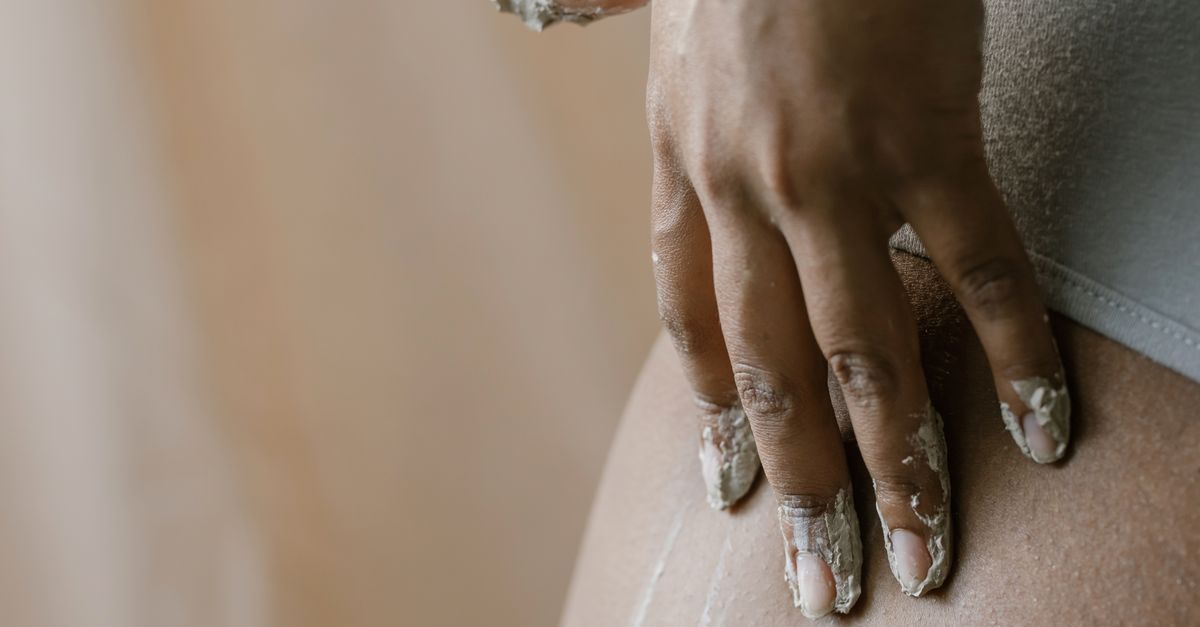
Why do stretch marks form?
When the skin stretches quickly, collagen and elastin fibers in the dermis tear and reorganize, leaving a thin linear scar. Hormones play a role, since cortisol and pregnancy hormones weaken connective tissue. Common triggers include puberty, pregnancy, rapid weight gain or loss, muscle building and long-term corticosteroid use. Genetics affect who gets them.
How does a dermatologist assess stretch marks?
Our board-certified dermatologist [DOCTOR NAME] will look at the color, width and texture of the marks. The age of the stretch mark matters most:
- Striae rubra: new, red, pink or purple, still inflamed and more responsive
- Striae alba: older, white or silver, flat or slightly depressed, harder to change
The doctor will also ask about pregnancy plans and steroid use, and check for underlying conditions if marks appeared suddenly without clear cause.
Which treatments improve stretch marks?
Stretch mark treatment combines several approaches. Excel V or IPL can reduce redness in new striae. CO2 fractional laser and Fraxel create micro-injury columns that trigger new collagen in older marks. Potenza and Sylfirm X RF microneedling deliver energy into the dermis to remodel scar tissue. Skin boosters and PRP may support healing. Topical retinoids can help early marks. Ask us which device options are available.
Who should wait?
Treatment is usually postponed during pregnancy and breastfeeding. People with darker skin need careful settings to avoid pigment changes. Active weight change may create new marks, so stable weight helps results last.
What happens on the day?
Numbing cream is applied for 30 to 60 minutes on larger areas. Treatment can take 20 to 60 minutes depending on size. Afterward, skin may be red, swollen and slightly rough for two to five days. Fractional CO2 causes more downtime than RF microneedling.
How much improvement is realistic?
Stretch marks soften but rarely disappear. Many people see a 30 to 60 percent improvement in color, width and texture after three to five sessions, four to six weeks apart. Newer marks respond better. Results vary.
Can I start this during a visit to Seoul?
Yes. One session in Myeongdong can begin the process, especially for RF microneedling with modest downtime. Since several sessions are usually needed, plan follow-ups on later trips or at home.
What home care helps?
Moisturize daily, use a retinoid on early marks if not pregnant, protect treated areas from the sun and keep weight changes gradual.
At a glance
- Common causes: Rapid stretching from pregnancy, growth, weight change, muscle gain or steroids
- Best-matched treatments: Stretch mark treatment, CO2 fractional laser, Fraxel, Potenza, Sylfirm X, Excel V
- Typical sessions: 3 to 5 sessions, 4 to 6 weeks apart
- Visible improvement: Gradual over 2 to 6 months
- Prevention tip: Treat new red marks early, when they respond best
Related pages
Frequently asked questions
Can stretch marks be removed completely?
Stretch marks are a type of scar, so complete removal is unlikely. However, color, texture and width can improve meaningfully with laser, RF microneedling and collagen-stimulating treatments. Red marks often fade more than white ones. Most people find their stretch marks become much less noticeable after a full course of treatment.
Are red stretch marks easier to treat than white ones?
Yes. Red or purple stretch marks are newer and still have active blood vessels and inflammation, so they respond better to vascular lasers and collagen remodeling. White stretch marks are mature scars with less blood supply and fewer pigment cells, making them harder to change. Starting treatment early usually gives better results.
Can I treat stretch marks after pregnancy?
Yes, once you have finished breastfeeding and your body has settled, typically a few months after delivery. Many people start with RF microneedling or fractional laser on the abdomen, hips or breasts. The doctor will check your skin, weight stability and plans for future pregnancies before suggesting a treatment schedule.
Do creams work for stretch marks?
Some topical products, especially retinoids, may help early red stretch marks by supporting collagen. Hyaluronic acid and centella asiatica may also have modest benefit. Creams generally do little for older white marks. In-clinic treatments are more effective for visible change, and daily moisturizing helps skin comfort and texture.
Plan your visit to Beautystone Myeongdong
Every treatment starts with a consultation with our physician, who confirms whether it suits your skin and your travel dates. English consultations available.
This page is general medical information, not a diagnosis. Results, downtime and side effects vary between individuals. Suitability is decided by a licensed physician at consultation. See our medical disclaimer .