
Sensitive Skin Treatment in Myeongdong, Seoul
Sensitive skin is skin that reacts easily with stinging, burning, tightness or redness to products, weather or touch, usually because of a weakened skin barrier or an underlying condition such as rosacea or eczema. A dermatologist treats it by identifying triggers, simplifying skincare and using barrier-supporting treatments such as LDM ultrasound, PDRN or Rejuran Healer.
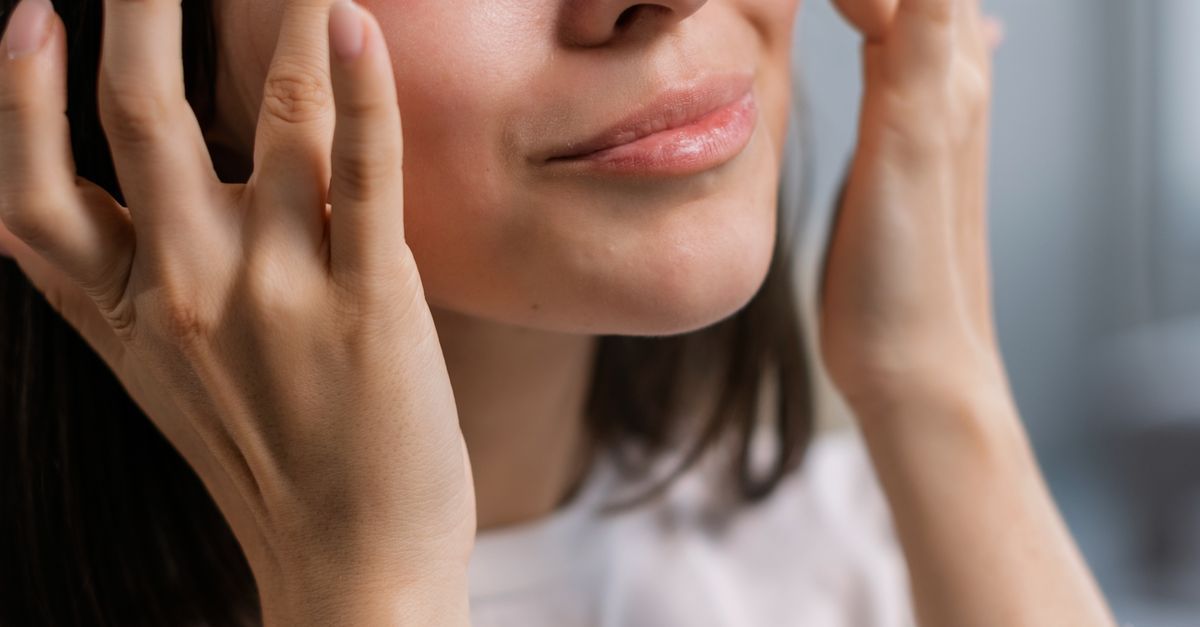
Why does my skin react to everything?
The outer layer of skin, the stratum corneum, works like a brick wall of cells held together by lipids such as ceramides. When that barrier is damaged, water escapes and irritants get in more easily. Nerve endings become more reactive. Over-exfoliation, too many active ingredients, hot water, pollution, cold wind and stress all weaken it.
Sensitive skin can also come from rosacea, atopic dermatitis, contact allergy or seborrheic dermatitis. Getting the right label matters.
How does a dermatologist evaluate sensitive skin?
Our board-certified dermatologist [DOCTOR NAME] will review every product you use and look for patterns. The doctor checks for dryness, scaling, redness distribution and small bumps. If an allergy is suspected, patch testing may be suggested at home with a dermatologist.
Which treatments help a reactive barrier?
- LDM skin care: dual-frequency ultrasound that calms inflammation and supports barrier recovery with no downtime
- PDRN therapy: polydeoxyribonucleotide, a DNA fragment derived from salmon, that supports tissue repair
- Rejuran Healer: polynucleotide injections that improve skin resilience over several weeks
- Gold PTT: gentle light care if redness is part of the picture
- Exosome therapy: applied after gentle treatments to support recovery
Ask us which device options are available when you visit.
Who should delay stronger treatments?
If your skin is currently stinging, peeling or broken, strong lasers, peels and microneedling can make things worse. The doctor will usually repair the barrier first, then plan pigment or anti-aging treatments once the skin tolerates them.
What should I expect on the day?
Sessions start with a gentle cleanse using lukewarm water. LDM takes about 20 to 30 minutes and feels like mild vibration. Injection-based boosters use numbing cream and fine needles, leaving small bumps for one to two days. The team will patch test new products if you are anxious.
How soon will my skin feel calmer?
Many people feel less tightness within days of simplifying their routine. Barrier repair usually needs two to six weeks. Boosters such as Rejuran show improved resilience after two to three sessions spaced two to four weeks apart. Results vary.
Traveling to Seoul with sensitive skin
Long flights dry the skin, and Seoul winters are cold and dry. Pack your own trusted moisturizer, and introduce new Korean products from Myeongdong shops one at a time after you get home.
What home routine suits sensitive skin?
Use a fragrance-free cleanser, a ceramide moisturizer and a mineral sunscreen. Pause acids, retinoids and scrubs until the skin calms.
At a glance
- Common causes: Damaged barrier, over-exfoliation, harsh weather, rosacea, eczema and allergies
- Best-matched treatments: LDM skin care, PDRN therapy, Rejuran Healer, Gold PTT, exosome therapy
- Typical sessions: 2 to 4 sessions, 2 to 4 weeks apart
- Visible improvement: Less stinging in days; stronger barrier in 2 to 6 weeks
- Prevention tip: Keep your routine to three gentle, fragrance-free products
Related pages
Frequently asked questions
Can I get laser treatment if I have sensitive skin?
Often yes, once the skin barrier is stable. Many people with sensitive skin tolerate low-energy laser toning or vascular lasers well. The doctor may adjust settings, test a small area or schedule barrier-repair care beforehand. If your skin is currently inflamed or peeling, it is usually safer to wait until it calms.
Is Korean skincare good for sensitive skin?
Korean skincare offers many gentle, fragrance-free options with ingredients such as centella asiatica, panthenol and ceramides. But multi-step routines can overwhelm sensitive skin. Add one new product at a time, wait about a week to watch for reactions, and avoid stacking several actives. A dermatologist can suggest a short, simple routine.
How do I know if my skin is sensitive or allergic?
Sensitivity usually causes stinging or redness soon after applying many different products. An allergy is a specific immune reaction to one ingredient, often causing itchy, swollen, rash-like patches that can appear a day or two later. Patch testing with a dermatologist helps identify allergens such as fragrance, preservatives or certain plant extracts.
What is LDM and why is it used for sensitive skin?
LDM stands for Local Dynamic Micro-massage. It uses alternating high-frequency ultrasound to create gentle micro-vibrations in the skin. It is thought to reduce inflammation, support hydration and help barrier repair without needles or heat. Because it has no downtime, it is often chosen for reactive skin and as care after other treatments.
Plan your visit to Beautystone Myeongdong
Every treatment starts with a consultation with our physician, who confirms whether it suits your skin and your travel dates. English consultations available.
This page is general medical information, not a diagnosis. Results, downtime and side effects vary between individuals. Suitability is decided by a licensed physician at consultation. See our medical disclaimer .