
Age Spots in Korea: Treatment Options for Brighter, Even Skin
Age spots, or solar lentigines, are flat brown patches caused by years of UV exposure that concentrates melanin in the upper skin. In Seoul, physicians usually treat them with pigment lasers such as picosecond or Q-switched 532 nm devices, or with IPL. Many spots lighten noticeably after one to three sessions, although results vary.
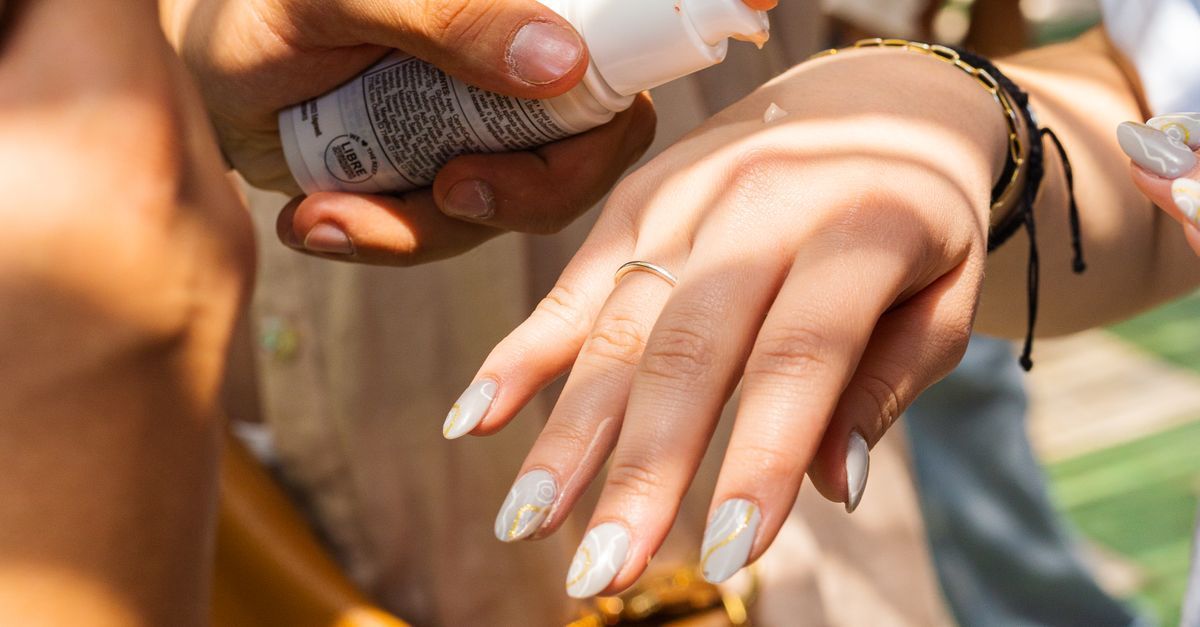
What are age spots, and how do they differ from other brown marks?
Age spots are also called sun spots, liver spots or solar lentigines. They are flat, well-defined tan to dark brown patches on the face, backs of the hands, forearms, shoulders and chest. They usually appear after age 40, though heavy sun exposure brings them on earlier. Repeated ultraviolet exposure increases the number and activity of melanocytes in the basal layer of the epidermis, leaving a localized deposit of melanin.
Several other marks look similar but respond differently:
- Freckles (ephelides) are smaller, appear in childhood and darken in summer.
- Melasma forms blurry, symmetrical patches driven by hormones and heat, and can worsen with aggressive laser.
- Seborrheic keratoses are raised, waxy growths that need ablative removal rather than pigment laser.
- Post-inflammatory hyperpigmentation follows acne or injury and fades with gentler care.
- Irregular or changing lesions need a skin cancer assessment before any cosmetic treatment.
This is why an in-person examination, often with a dermatoscope, comes before a treatment plan.
Which treatments do Korean dermatologists use for age spots?
Korea has a long tradition of pigment laser work, and clinics typically choose from several technologies:
- Picosecond lasers such as PicoSure or PicoPlus deliver pulses lasting trillionths of a second. At 532 nm or 755 nm they shatter melanin with a photoacoustic effect and relatively little heat.
- Q-switched Nd:YAG lasers at 532 nm target discrete spots. At 1064 nm and low fluence, the same family powers laser toning for overall tone.
- Intense pulsed light (IPL) uses filtered broad-spectrum light to treat many faint spots and background redness at once.
- Chemical peels such as glycolic or LHA peels support surface brightening between laser sessions.
- Topical agents like tranexamic acid, niacinamide, vitamin C and prescription hydroquinone help prevent darkening during recovery.
Device setups differ between clinics, so ask us which device options are available.
Who is a good candidate, and who should be careful?
Clearly defined lentigines on light to medium skin tones usually respond well. If you have a deeper skin tone, a history of melasma or a tendency to post-inflammatory hyperpigmentation, your physician may lower the energy, choose a longer wavelength or favor a series of gentle sessions to reduce the risk of rebound darkening. Treatment is usually postponed if you have a recent tan, take photosensitizing medication, or have an active skin infection in the area.
What does a laser session for age spots feel like?
After cleansing and, if needed, 30 minutes of numbing cream, the laser itself takes only a few minutes. Most people describe a quick snapping sensation, like a rubber band. Each treated spot turns gray-white, then darkens over the next day. Small crusts form and usually shed in five to ten days on the face, and up to two weeks on the hands.
During that time you protect the area with hydrocolloid patches or a healing ointment, avoid scrubbing, and apply broad-spectrum SPF 50 every day. With IPL, spots darken slightly and flake off within about a week, often with less visible crusting.
How many sessions do age spots need, and can they come back?
Many discrete spots lighten clearly after one to three sessions spaced four to six weeks apart. IPL programs often use three to five sessions. Pinkness at the site can linger for a few weeks, and temporary darkening occurs in a minority of patients, more often in deeper skin tones. Treated spots can return, and new ones can appear, if your skin keeps getting UV exposure, so long-term sun protection is part of the result.
How do you plan age spot treatment around a Seoul trip?
Because crusts need about a week to shed, try to schedule your laser near the start of your stay. That leaves time for a check-up before you leave and lets you avoid strong midday sun while the skin is fragile. Pack a wide-brimmed hat and a mineral sunscreen, and keep hydrocolloid patches in your carry-on. If you are visiting in summer, IPL or gentle toning may be easier to manage than spot treatments with visible crusts. Your physician can also suggest a home routine with brightening serums so progress continues after you fly home.
Key points
- Common causes: Cumulative UV exposure, aging, fair skin type and tanning beds
- Treatments physicians use: Picosecond laser, Q-switched 532 nm Nd:YAG, IPL photofacial, brightening peels and topical tranexamic acid
- Typical sessions: 1–3 laser sessions for discrete spots; 3–5 for IPL
- When results show: Crusts shed in 5–14 days; tone evens out over 4–8 weeks
- Prevention: Daily SPF 50, hats and regular reapplication outdoors
Related pages
Frequently asked questions
Can I get age spots lasered if I also have melasma?
Often yes, but the plan changes. Melasma can darken with strong heat or high-energy pulses, so physicians may treat discrete age spots very selectively while managing melasma with low-fluence toning, topical tranexamic acid and strict sun protection. Telling your doctor about past pigment flares helps them choose safer settings for your skin.
Do age spots on the hands respond the same way as facial spots?
Hands respond well to the same lasers but heal more slowly because the skin has fewer oil glands and less blood supply. Crusts can last up to two weeks, and the area needs consistent sunscreen since hands are exposed while driving and walking. Some people also combine laser with skin boosters to improve thin, crepey texture.
How soon can I wear makeup after laser for sun spots?
Most physicians suggest waiting until crusts have shed naturally, typically five to seven days on the face, before applying makeup directly over treated spots. Makeup on untreated areas is usually fine sooner. A lightly tinted mineral sunscreen is a gentle option in between. Follow the specific instructions you receive, since timing depends on the device used.
Are age spots dangerous?
Solar lentigines themselves are benign, but they signal significant sun exposure, which raises overall skin cancer risk. A spot that grows quickly, has uneven borders, several colors, bleeds or itches should be examined by a dermatologist before any cosmetic treatment. Lentigo maligna, an early form of melanoma, can resemble an ordinary age spot.
Your appointment awaits
Ask for a plan and a quote
Prices depend on your skin, the area and the number of sessions. Send your goals and travel dates and a physician will suggest options and Beautystone's current prices before you book.
This article is general information, not a diagnosis or a price quote. Typical market prices are indicative and change over time; results, downtime and side effects vary between individuals. Suitability is decided by a licensed physician at consultation. See our medical disclaimer .