
How Often Should You Get Skin Boosters?
Most skin boosters work best as an initial course of 3 sessions spaced 2 to 4 weeks apart, followed by maintenance every 3 to 6 months. Hydrating hyaluronic acid boosters fade faster than collagen stimulators. Polynucleotide boosters like Rejuran support repair over a series, while PDLLA boosters like Juvelook build collagen and need fewer, wider-spaced sessions.
What are skin boosters?
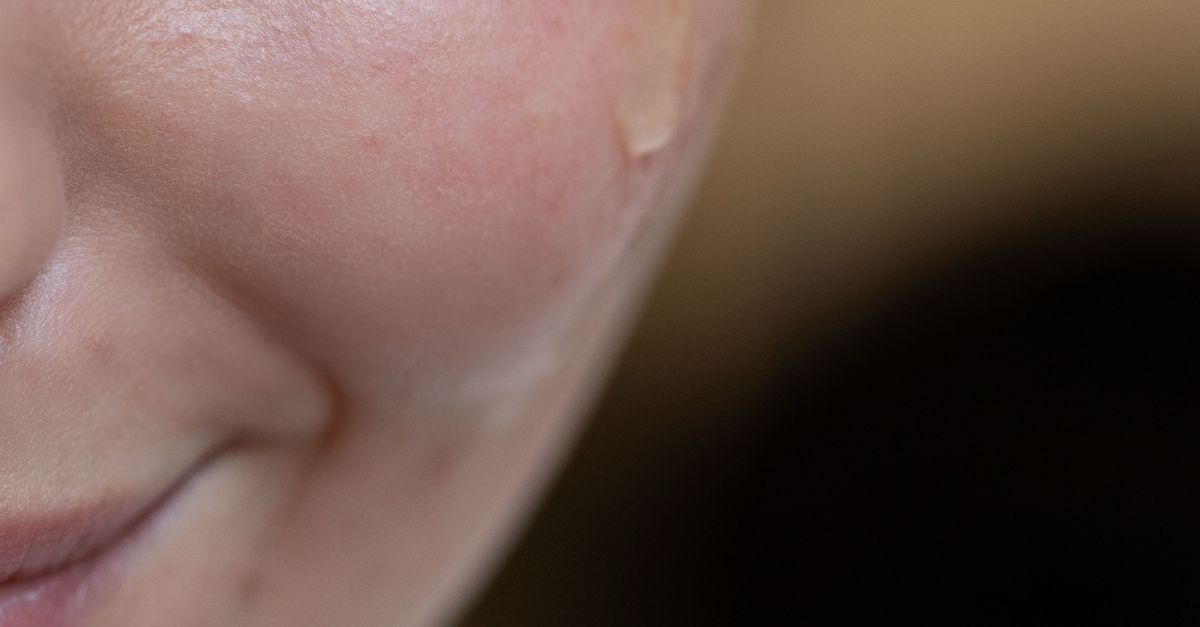
Skin boosters are injectable treatments placed into the dermis to improve skin quality rather than add shape. They improve hydration, texture, elasticity, and glow. The main types use different active ingredients:
- Hyaluronic acid boosters: lightly cross-linked or non-cross-linked HA that binds water.
- Polynucleotides (PN): such as Rejuran, from salmon DNA, supporting repair.
- PDRN: polydeoxyribonucleotide fragments that support regeneration.
- PDLLA or PLLA: such as Juvelook or Sculptra, stimulating collagen.
- Hybrid HA: such as Profhilo, using high- and low-weight HA.
How often should you get each type?
| Booster | Initial course | Maintenance |
|---|---|---|
| HA booster | 3 sessions, 2 to 4 weeks apart | Every 3 to 4 months |
| Rejuran (PN) | 3 to 4 sessions, 2 to 4 weeks apart | Every 4 to 6 months |
| PDRN | 3 to 5 sessions, 1 to 2 weeks apart | Every 2 to 3 months |
| Profhilo | 2 sessions, 4 weeks apart | Every 6 months |
| Juvelook (PDLLA) | 2 to 3 sessions, 4 to 6 weeks apart | Every 9 to 12 months |
Why are boosters done in a series?
The first session starts a response, and later sessions add to it before the effect fades. Collagen stimulators need time between sessions to see how much new collagen forms. Repeating too often wastes product and may increase lumps or irritation.
Who should avoid skin boosters?
Avoid them during pregnancy, with active skin infection, cold sores in the area, or uncontrolled autoimmune disease. Avoid PN boosters if you have a fish allergy. Tell your doctor if you form keloids.
What happens during a session?
Numbing cream sits for 30 to 40 minutes. The doctor injects by hand or with a multi-needle injector. The session takes 20 to 30 minutes. Small bumps fade in 1 to 3 days.
When do results appear?
HA boosters can give a dewy look within a week. PN and PDRN improve texture over 2 to 4 weeks. Collagen stimulators show gradual firmness over 2 to 6 months. Results vary.
How do visitors plan boosters in Seoul?
If you visit Seoul every few months, you can align maintenance with trips to Myeongdong. For a single stay of two to three weeks, you may fit two sessions of some boosters. Our board-certified dermatologist [DOCTOR NAME] can choose a booster that fits your schedule.
Key points
- Short answer: 3 sessions 2 to 4 weeks apart, then every 3 to 6 months.
- Applies to: HA, PN, PDRN, Profhilo, and PDLLA skin boosters.
- Typical timeframe: Glow in 1 week; collagen over 2 to 6 months.
- When to see a doctor: Lumps beyond 2 weeks, hot swelling, or spreading redness.
Related pages
Related questions
Can I get skin boosters every month?
During an initial course, some boosters such as PDRN or HA can be given every two to four weeks. After that, monthly treatment is usually unnecessary. Collagen stimulators need longer gaps. Your doctor will set intervals based on the product and how your skin responds.
Which skin booster lasts the longest?
Collagen stimulators such as Juvelook or Sculptra generally last the longest, often a year or more, because they help your skin build its own collagen. Hydrating HA boosters fade within a few months. Polynucleotide boosters typically fall in between when done as a full course.
Is one skin booster session worth it?
One session can improve hydration and glow for a few weeks, which many people enjoy before an event. For lasting change in texture and elasticity, a full course gives better results. If you only have one session, choose a booster suited to quick hydration.
Can I combine skin boosters with laser?
Yes. Many doctors pair boosters with lasers to support healing and improve results. Some combine them on the same day, while others space them a week or two apart. Your physician will plan timing based on the laser type and your skin sensitivity.
Still have a question?
Send us your skin goals and travel dates. Our physician will tell you which options suit you before you book anything.
This page is general information, not a diagnosis or legal advice. Results, downtime and side effects vary between individuals. Suitability is decided by a licensed physician at consultation. See our medical disclaimer .