
What Is the Best Season for Laser Treatment in Korea?
Autumn and winter, roughly October to February, are usually the most comfortable seasons for laser treatment in Korea, because UV levels are lower and you spend less time in strong sun. Laser is still possible in spring and summer with strict sun protection, but pigment-prone skin benefits most from cooler months.
Why does season matter for laser treatments?
Laser treatment temporarily makes skin more sensitive to UV light. Sun exposure afterward increases the risk of irritation and post-inflammatory hyperpigmentation, the dark patches that can follow skin injury. Heat and humidity can also make healing skin feel more uncomfortable. Seasons with lower UV and less time outdoors make aftercare easier.
What is Seoul's climate like across the year?
- Spring (March to May): mild, with rising UV and occasional fine dust or yellow dust days
- Summer (June to August): hot, humid, with a rainy season and the year's highest UV
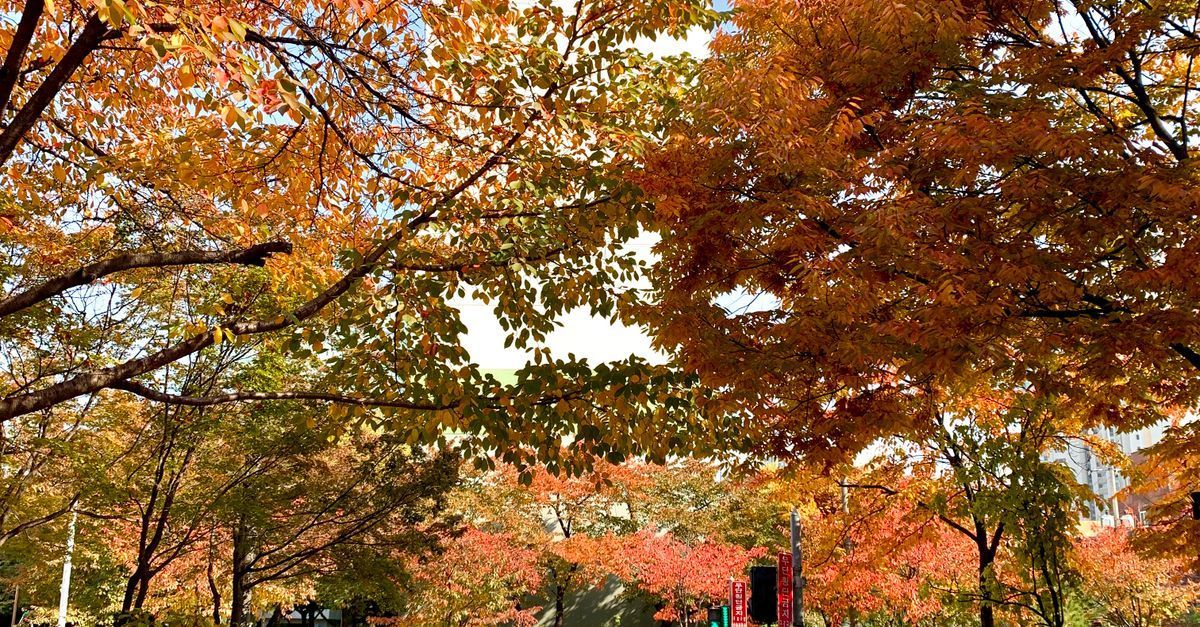
- Autumn (September to November): dry, clear, comfortable, with UV falling through the season
- Winter (December to February): cold, dry, with the lowest UV
Which treatments benefit most from cooler months?
Treatments that target pigment or resurface the skin benefit most. These include pico and laser toning for melasma, IPL for sun spots, Q-switched or pico lasers for freckles, CO2 fractional laser, Fraxel, and deeper peels. People with darker skin types or a history of pigmentation after injury gain the most from lower UV.
Is summer laser treatment possible?
Yes, with care. Many people have toning, Gold PTT, or gentle lasers in summer. Your physician may lower energy settings, space sessions differently, or recommend avoiding resurfacing if you plan beach time or outdoor travel soon after. Sun protection becomes essential: SPF 50, a hat, and shade.
What about winter dryness?
Winter air in Seoul is cold and dry, and indoor heating dries skin further. After laser, this can mean more flaking and tightness. A good barrier moisturizer, a humidifier in your hotel room, and gentle cleansing help. Overall, many physicians still prefer winter for stronger lasers.
Do non-laser treatments depend on the season?
Less so. Botox, filler, skin boosters such as Rejuran, and lifting devices like Ulthera or Thermage FLX can be done year-round with standard aftercare. Sun protection still matters after any treatment.
How should visitors plan around this?
If pigment is your concern, an autumn or winter trip is often ideal. Plan your series to start in autumn and continue through winter if you can return or continue at home. Ask our board-certified dermatologist [DOCTOR NAME] for a plan suited to your skin.
Key points
- Short answer: Autumn and winter, roughly October to February, for most pigment and resurfacing lasers
- Applies to: Visitors planning pigment, toning, or resurfacing lasers in Seoul
- Typical timeframe: Strict sun protection for at least 2 to 4 weeks after laser, in any season
- When to see a doctor: Ask about lower settings if you will be in strong sun soon after treatment
- Good to know: Botox, filler, and lifting devices are suitable year-round with standard aftercare
Related pages
Related questions
Can I get laser toning in Seoul in summer?
Yes. Laser toning uses low energy and is commonly done year-round. In summer, strict sun protection matters more: SPF 50 reapplied often, a hat, and shade. If you have melasma or darker skin, your physician may adjust settings or spacing to lower the risk of rebound pigmentation.
Is winter a good time for CO2 laser in Korea?
Winter is often preferred for CO2 fractional laser because UV is lower and people spend more time indoors. Dry air can make healing skin flake more, so keep it moisturized with a barrier cream or ointment. Your physician will tailor depth and density to your skin.
Does fine dust in Seoul affect skin after laser?
On high fine dust days, mostly in spring, irritants in the air can bother sensitive, healing skin. Wear a mask outdoors, cleanse gently in the evening, and keep a barrier moisturizer on. Check air quality forecasts during your stay and plan indoor activities on poor days.
Should I avoid laser before a beach holiday?
If you are heading to a beach or ski trip soon after, many physicians suggest waiting on pigment or resurfacing lasers, or choosing gentler options. Intense UV on recently treated skin raises the risk of hyperpigmentation. Tell your physician your full travel plans before treatment.
Still have a question?
Send us your skin goals and travel dates. Our physician will tell you which options suit you before you book anything.
This page is general information, not a diagnosis or legal advice. Results, downtime and side effects vary between individuals. Suitability is decided by a licensed physician at consultation. See our medical disclaimer .